Friday, November 22, 2024
How Do I Fix Septic Smell Problems Without Replacing My Tank?

Addressing Septic System Odor Issues Without Tank Replacement
Unpleasant odors emanating from a septic system are a common homeowner concern, often causing significant distress and raising questions about the system's integrity. While a failing septic tank may necessitate replacement, numerous issues can contribute to septic smells without requiring such a drastic and expensive intervention. This comprehensive guide outlines a systematic approach to identifying and resolving septic odor problems, focusing on solutions that avoid the need for complete tank replacement.
Identifying the Source of the Odor
Before embarking on any remedial action, accurately pinpointing the odor's source is paramount. A methodical investigation can significantly improve the efficiency of your efforts. The smell might originate from various points within the septic system, each requiring a different solution.
Inspecting the Drain Field
The drain field, where treated wastewater disperses into the soil, is a frequent culprit. Signs of a failing drain field include:
- Standing water or excessively soggy ground above the drain field.
- Slow draining plumbing fixtures in the house.
- A strong, pungent odor emanating from the area.
- Presence of lush, unusually green vegetation over the drain field indicating excessive moisture.
Careful examination of the drain field should be carried out, ideally with the assistance of a professional who can determine the extent of any damage or blockage and advise on the appropriate course of action.
Evaluating the Septic Tank
Though a problematic tank might ultimately require replacement, many odor issues stem from simpler problems within the tank itself. Consider these possibilities:
- Insufficient ventilation: A lack of adequate ventilation can trap gases, leading to odors. Check the vent pipe for blockages or damage.
- Clogged baffles: Internal baffles within the tank help separate solids from liquids. Blockages can disrupt this process, causing solids to rise and generate odor.
- Excessive sludge build-up: Over time, sludge accumulates at the bottom of the tank. Excessive sludge can lead to foul smells and inefficient treatment.
- Leaks or cracks: Cracks in the tank allow wastewater to escape, leading to surface odors. This usually requires professional attention.
A visual inspection (with necessary safety precautions) might reveal some of these problems. However, a professional septic inspection often provides a more thorough assessment.
Checking the Plumbing System
Odors can sometimes originate from the plumbing system itself, rather than the septic tank. Potential issues include:
- Dry P-traps: P-traps, the U-shaped sections of pipe under sinks and other fixtures, contain water that seals off sewer gases. If these dry out, odors can escape.
- Leaks in plumbing pipes: Leaks in the plumbing system can allow sewer gases to enter the house.
- Clogged vents: Vents in the plumbing system provide airflow, preventing sewer gases from being forced back into the house. Blockages can cause a backup of gases.
A thorough examination of your home's plumbing system can reveal these issues. Addressing these problems promptly prevents the spread of foul odors and ensures proper plumbing functionality.
Addressing Septic Odor Problems: Practical Solutions
Once the source of the odor has been identified, implementing appropriate corrective measures is crucial. The following strategies can effectively mitigate septic smells without necessarily requiring tank replacement:
Improving Septic Tank Maintenance
Regular septic tank maintenance is essential for preventing odor problems. This involves:
- Regular pumping: Schedule regular pumping services based on your system's size and household usage. This removes accumulated sludge and prevents excessive build-up.
- Bacterial treatment: Introducing beneficial bacteria into the septic tank can help break down organic waste more efficiently, reducing odor-causing materials.
- Avoiding harsh chemicals: Avoid pouring harsh chemicals down the drain, as these can disrupt the bacterial balance in the septic system and exacerbate odor issues.
These routine maintenance practices contribute to long-term system health and significantly reduce the likelihood of odor problems.
Repairing or Replacing Components
If the inspection reveals damaged components, repair or replacement might be necessary. This could involve:
- Repairing or replacing the vent pipe: A damaged or blocked vent pipe should be repaired or replaced to ensure adequate ventilation.
- Repairing or replacing the baffles: Damaged or clogged baffles in the septic tank should be repaired or replaced to restore proper separation of solids and liquids.
- Addressing drain field issues: Severe drain field problems may require professional intervention, including repair, replacement, or even the installation of a new drain field.
These repairs, though potentially costly, are often less expensive than a full tank replacement, and significantly address the root causes of your odor problems.
Addressing Plumbing Issues
If the odor originates from the plumbing system, addressing these issues is crucial. This may involve:
- Replenishing dry P-traps: Regularly check and replenish dry P-traps to maintain their odor-sealing function.
- Repairing plumbing leaks: Leaks should be repaired promptly to prevent sewer gases from escaping into the house.
- Clearing clogged vents: Clogged vents should be cleared to restore proper airflow and prevent gas build-up.
These relatively simple plumbing repairs can significantly reduce or eliminate septic odors entering your home.
When Professional Help is Necessary
While many septic odor issues can be addressed through DIY methods, some situations demand the expertise of a qualified septic professional. Seek professional help if:
- You suspect a serious leak in the septic tank.
- You have a persistent odor that cannot be addressed through simpler solutions.
- You have significant drain field problems, such as persistent standing water or slow drainage.
- You're unsure about the cause of the odor or how to safely address it.
A professional can diagnose the problem accurately, recommend the most appropriate course of action, and perform any necessary repairs or replacements safely and effectively. This prevents further damage and ensures the long-term health and efficiency of your septic system.
In conclusion, addressing septic smells doesn't always require the drastic step of replacing the entire septic tank. A systematic approach, involving careful investigation, targeted maintenance, and prompt repair of identified problems, often proves highly effective. By following the steps outlined above, homeowners can often resolve odor issues and maintain a functional and odor-free septic system for many years to come. However, remember that professional assistance is invaluable in complex situations, ensuring the right solution is implemented safely and efficiently.

Wednesday, November 20, 2024
My Secret to Choosing the Right Septic Tank Smell Remover

My Secret to Choosing the Right Septic Tank Smell Remover
Okay, let's be honest. Nobody wants to talk about septic tank smells. It's that awkward, embarrassing topic we all secretly dread. But when that telltale whiff of sewage starts creeping into your yard or, worse, your house, you know you've got a problem. And finding the *right* septic tank smell remover can feel like navigating a minefield of confusing products and marketing jargon. So, grab a cup of coffee (or maybe a strong drink!), because I'm spilling the beans on my foolproof method for choosing the best septic tank odor eliminator.
Understanding the Source of the Stink
Before you even *think* about buying a product, you need to understand *why* your septic system is smelling. It's not just about masking the odor; you need to tackle the root cause. A bad smell usually signals a problem, and ignoring it could lead to far bigger (and more expensive) issues down the road.
Common Culprits of Septic Tank Odors:
- Clogged drain field: This is a major culprit. When the drain field is blocked, wastewater backs up, leading to those awful smells.
- Low water level in the tank: Septic tanks need a certain water level to keep things submerged and prevent gases from escaping. A low water level can lead to a smelly situation.
- Septic tank failure: Unfortunately, sometimes the tank itself is the problem. Cracks, leaks, or a full tank can result in unpleasant odors.
- Excessive solids in the tank: If you're overloading your septic system with grease, solids, or inappropriate materials, it can lead to fermentation and a buildup of gases.
- Improper ventilation: Your septic tank *should* have a vent pipe. If it's clogged or missing, gases have nowhere to escape except through the ground or into your home.
Important Note: If you suspect a major problem like a tank failure or a severely clogged drain field, call a professional septic service immediately. Don't try to DIY a fix you're not qualified for â€" you could make things much worse!
Choosing the Right Septic Tank Smell Remover: My Proven Method
Now that we've addressed the underlying issues, let's talk about choosing a smell remover. My method is all about reading the label carefully and understanding what the product *actually* does.
Step 1: Look Beyond the Marketing Hype
Many septic tank smell removers boast miracle cures. Ignore the flashy advertising and focus on the ingredients. Look for products that are specifically designed for septic systems and are environmentally friendly. Avoid anything containing harsh chemicals that could damage your septic system or the surrounding environment.
Step 2: Understand the Different Types of Products
There are several types of septic tank odor eliminators available, each working in slightly different ways:
- Bacterial Treatments: These products contain beneficial bacteria that help break down organic waste in the septic tank, reducing odors and improving efficiency. These are generally considered the safest and most effective option for long-term odor control.
- Enzyme Treatments: Enzymes work similarly to bacteria, breaking down organic matter. They might be a good option if you have a particularly stubborn odor problem.
- Odor Neutralizers: These products mask the smell rather than addressing the root cause. They're a temporary fix, not a long-term solution. I generally advise against relying solely on these.
- Chemical Treatments: Steer clear of strong chemicals unless explicitly recommended by a septic professional. These can harm the beneficial bacteria in your tank and even damage the system itself.
Step 3: Check the Ingredients
Read the ingredient list carefully. Look for products that list specific types of bacteria or enzymes. Avoid anything containing harsh chemicals, chlorine bleach, or other substances that could harm your septic system. A good product will clearly state its intended use and should be labeled as safe for septic systems.
Step 4: Follow the Instructions Precisely
Once you’ve chosen a product, follow the instructions meticulously. Using too much or too little can be ineffective or even harmful. Pay attention to the application method, dosage, and frequency of use.
Maintaining a Happy Septic System (Beyond Smell Removers)
Using a smell remover is only part of the equation. Regular maintenance is crucial for preventing odors and ensuring your septic system functions properly. Here are some tips:
- Regular Pumping: Get your septic tank pumped every 3-5 years (or as recommended by your local septic professional). This prevents sludge buildup and ensures your system operates efficiently.
- Avoid Flushing Harmful Substances: Don't flush anything down the toilet that shouldn't be there â€" grease, feminine hygiene products, wipes (even those labeled "flushable"), and excessive amounts of paper towels can cause serious clogs.
- Water Usage: Maintain consistent water usage to keep the septic tank working effectively. Avoid running your washing machine and dishwasher at the same time.
- Inspect your Drain Field: Keep an eye out for soggy areas or unusual vegetation growth around your drain field. These could be signs of a problem.
Commonly Asked Questions
Q: How often should I use a septic tank smell remover?
A: It depends on the product and the condition of your septic system. Some products are designed for monthly use, while others are for occasional treatments. Always follow the manufacturer's instructions.
Q: Can I use baking soda and vinegar as a septic tank smell remover?
A: While baking soda and vinegar are great for cleaning some things, they're not ideal for septic tanks. They don't address the root cause of the odor and might even disrupt the beneficial bacteria in your tank.
Q: My septic tank still smells after using a smell remover. What should I do?
A: If the smell persists, it's a sign that there's a bigger problem with your septic system. Call a professional septic service for an inspection and diagnosis. Ignoring the problem could lead to more serious (and expensive) issues.
Q: Are all septic tank smell removers the same?
A: Absolutely not! Some are effective, eco-friendly, and address the root cause of the odor, while others are merely temporary band-aids that might even harm your septic system. Read the labels carefully and choose wisely.
Dealing with septic tank smells is never fun, but by understanding the underlying causes and choosing the right product, you can keep your system healthy and your home smelling fresh. Remember, prevention is key â€" regular maintenance and responsible use of your septic system are essential for long-term success!
Understanding and Addressing Septic Tank Smell in Your Yard
That Pesky Septic Tank Smell: A Down-to-Earth Guide
Let's be honest, nobody wants their yard smelling like a… well, you know. That unmistakable septic tank odor is not only unpleasant, it can be a real source of worry. But before you panic and start digging, let's troubleshoot this together. This guide will walk you through understanding why your septic system might be letting off that awful smell and what you can do about it. We’ll tackle everything from simple fixes to when you need to call in the professionals. So grab a cup of coffee (or tea!), and let’s get to the bottom of this stinky situation.
Understanding Your Septic System: The Basics
Before we dive into the smell, let's quickly review how a septic system works. Think of it as a mini wastewater treatment plant in your backyard. Wastewater from your home flows into a tank where solids settle at the bottom, forming sludge. Liquids (effluent) then move out to a drain field (or leach field), where they slowly seep into the ground. The whole system relies on a delicate balance of bacteria and natural processes to break down waste. If this balance is disrupted, you might end up with a smelly problem.
The Culprits Behind the Stench
Several things can cause that unpleasant odor: a full septic tank, a clogged drain field, problems with the tank itself, or even something as simple as a poorly sealed lid.
Diagnosing the Source of the Smell
The first step is figuring out *where* the smell is coming from. This will help you narrow down the possible causes. Here's a quick checklist:
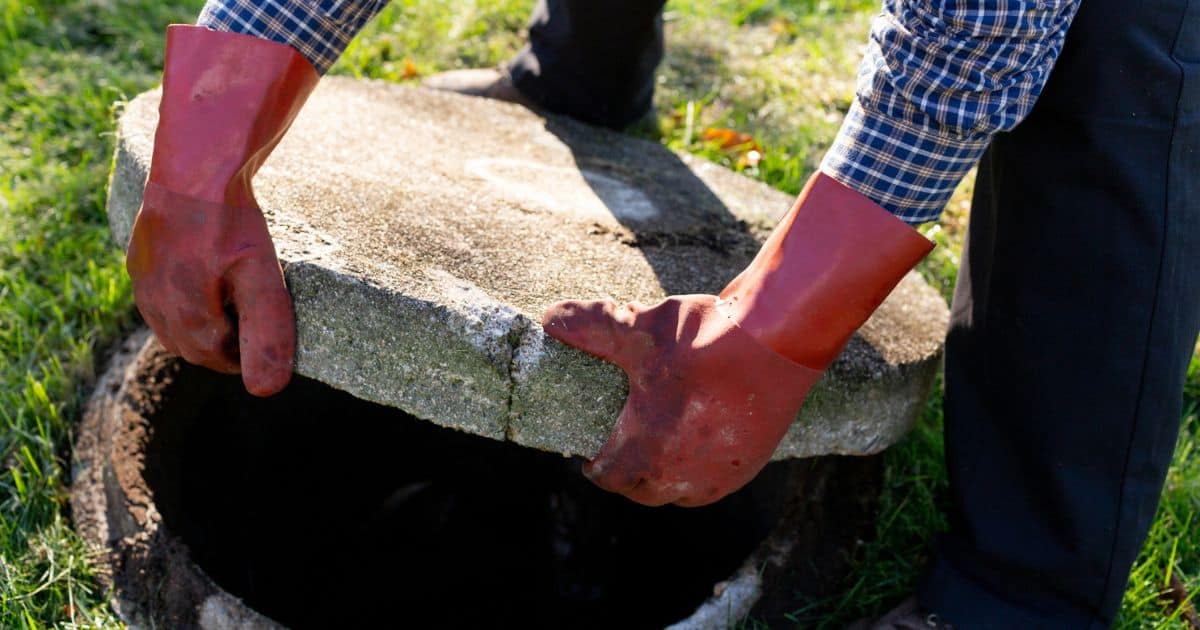
- Inspect the tank lid: Is it cracked or improperly sealed? Even a small gap can allow gases to escape. If it's cracked, you'll definitely want to contact a professional.
- Check the drain field: Look for soggy or unusually green areas of your lawn. This could indicate a problem with the drain field, potentially leading to wastewater backing up and creating odors.
- Assess the surrounding area: Is the smell localized near the tank, or is it more widespread? This can help pinpoint the source of the issue.
- Consider recent activities: Did you have any plumbing work done recently? Have you been using excessive amounts of water or flushing things you shouldn't (like grease or sanitary products)? These can overload the system.
If you've got a serious smell and you are unsure where it's coming from, contacting a septic professional is the smartest move. Trying to troubleshoot a complex septic issue without proper knowledge can actually make things worse.
Troubleshooting Common Septic Tank Smell Issues
Full Septic Tank
A full septic tank is a major culprit behind unpleasant odors. As the tank fills, the level of wastewater rises, potentially pushing sludge and scum into the effluent, which is then released into your drain field. This mix of solids creates foul smells.
Solution: You'll need a septic tank pumping service to remove the accumulated sludge and scum. How often you need this service depends on factors like household size and water usage. Aim for a pumping every 3-5 years as a starting point, but you may need it sooner if you notice a particularly strong odor.
Clogged Drain Field
If your drain field is clogged, wastewater can't drain properly, leading to backups and odors. This is often due to an overload of wastewater or the buildup of solids in the drain field.
Solution: A clogged drain field requires professional attention. Avoid driving or walking on the drain field to prevent compaction, and refrain from planting heavy vegetation in the area.
Septic Tank Leaks or Cracks
Leaks in your septic tank or pipes can allow wastewater to escape into the surrounding soil, causing significant odor problems and potential environmental hazards.
Solution: This is a serious issue requiring immediate professional attention. A qualified septic technician can inspect the tank and pipes, identify leaks, and recommend appropriate repairs or replacement. Ignoring leaks can lead to costly repairs and environmental contamination.
Improperly Sealed Tank Lid
Even a slightly loose or cracked tank lid can allow sewer gases to escape, leading to a noticeable odor. This is often an easy fix, but you should still prioritize safety. Never enter a septic tank without proper safety equipment and training.
Solution: Ensure the lid is securely sealed and consider replacing it if it's damaged. If you're not comfortable working around your septic tank, contact a professional for assistance. A simple seal may require tools and skills you lack, and it's always safest to hire a trained professional.
Preventing Septic Tank Smell Issues
Prevention is key! Here are some simple steps to minimize the risk of septic tank odors:
- Regular pumping: Schedule regular septic tank pumping to prevent buildup of sludge and scum.
- Careful water usage: Avoid overloading your system with excessive water usage. Be mindful of showers, laundry, and dishwashing habits.
- Avoid flushing inappropriate items: Never flush grease, sanitary products, paper towels, or other non-biodegradable items down the toilet. These can clog your system.
- Maintain your drain field: Don't plant heavy vegetation on or near your drain field. Avoid driving or walking on it. Give your system proper space to function.
- Regular inspections: Consider having your septic system inspected periodically by a professional to catch potential problems early.
When to Call a Professional
Don't hesitate to call a professional septic service if:
- You have a persistent and strong odor.
- You suspect a leak in your septic tank or pipes.
- Your drain field appears to be failing.
- You're unsure about the cause of the smell.
- You're uncomfortable performing any maintenance tasks yourself.
Remember, dealing with septic issues is best left to the experts. A trained professional has the knowledge and equipment to diagnose and repair problems safely and efficiently.
Commonly Asked Questions
Q: How often should I have my septic tank pumped?
A: This depends on several factors, including household size and water usage. A general guideline is every 3-5 years, but it's best to consult a professional for personalized advice.
Q: What should I do if I see wastewater bubbling up from the ground?
A: This is a serious sign of a problem. Contact a septic professional immediately. Do not attempt to repair this yourself.
Q: Can I use chemicals to treat my septic system?
A: Generally, it's best to avoid using chemical treatments unless specifically recommended by a septic professional. Many chemicals can harm the beneficial bacteria in your system, making problems worse.
Q: What is the difference between a drain field and a leach field?
A: They're essentially the same thing. The terms are used interchangeably to describe the area where treated wastewater from the septic tank disperses into the ground.
Q: How much does septic tank pumping cost?
A: Costs vary depending on your location, the size of your tank, and the amount of sludge and scum that needs to be removed. It’s best to get quotes from several local septic services to compare prices.
Dealing with a smelly septic tank can be frustrating, but with a little knowledge and the right approach, you can get to the bottom of the problem. Remember, safety and prevention are crucial, and don’t hesitate to call in the pros when needed!
Sunday, November 17, 2024
How to Remove Septic Tank Odors Without Chemicals
Banishing Those Pesky Septic Tank Odors Naturally
Ugh, that smell! Septic tank odors are the absolute worst, right? That lingering, earthy stench that makes you want to hold your breath and run for the hills. But before you reach for the harsh chemicals that could actually harm your system (and the environment!), let's explore some completely natural ways to tackle this unpleasant problem. This isn't about covering up the smell; it's about getting to the root cause and making your whole property smell fresh and clean again.
Understanding the Source of the Stink
Before we dive into solutions, let's briefly understand where those odors are coming from. Septic tanks, while essential for wastewater treatment, naturally produce gases during the breakdown of organic matter. These gases, primarily hydrogen sulfide (that rotten egg smell!), can escape if your system isn't functioning properly or if there are cracks or leaks. Sometimes, the smell isn't even directly from the tank itself but from the drain field where the treated wastewater is dispersed. A poorly maintained or overloaded system is a recipe for a smelly disaster.
Natural Solutions for Odor Control
Now for the good stuff â€" the natural ways to banish those septic tank odors. These methods focus on improving your system's function and preventing gas buildup. They're gentler on the environment and your wallet than harsh chemicals.
1. The Power of Baking Soda and Vinegar
This classic cleaning duo is surprisingly effective for septic tank odor control. Baking soda neutralizes odors, while vinegar helps break down organic matter that contributes to gas production. Try pouring a cup of baking soda down your drains followed by a cup of vinegar. Let it fizz for a while before flushing with hot water. This isn’t a cure-all, but it can definitely help freshen things up.
2. Enzyme Power: Microbial Boosters
Microbial boosters are available at most hardware stores and online. These are essentially concentrated blends of beneficial bacteria and enzymes that help break down waste more efficiently in your septic tank. A well-functioning septic system relies on bacteria to do the heavy lifting. Boosting their numbers can significantly reduce the amount of smelly gas produced. Follow the product instructions carefully; you generally add them directly to your toilet and flush.
Important note: Not all microbial products are created equal. Look for those specifically designed for septic systems and avoid anything that promises “instant†results or uses harsh chemicals.
3. Maintaining Proper Septic Tank Usage
Believe it or not, what you put down your drains directly impacts your septic system's odor. Here are some crucial habits to adopt:
- Limit grease and oil: These substances solidify in your pipes and tank, hindering the bacterial breakdown process and creating a breeding ground for odors.
- Avoid flushing non-biodegradable items: This includes things like feminine hygiene products, diapers, cotton swabs, and "flushable" wipes. These items don't break down properly and can clog your system, causing backups and odors.
- Be mindful of chemical use: Harsh cleaning chemicals can kill off the beneficial bacteria in your septic tank, disrupting its natural function. Opt for eco-friendly cleaning products whenever possible.
- Limit water usage during peak times: Avoid running multiple water-intensive appliances at once (washing machine, dishwasher, showers). Overloading your system can lead to backups and smelly consequences.
4. Addressing Landscaping Issues
Sometimes the smell isn't coming directly from your tank but from the drain field. If your drain field is poorly located (too close to your house or in a low-lying area), or if it's surrounded by plants with extensive root systems, odors can seep out. Proper landscaping can help. Ensure the drain field area is well-ventilated and doesn't have excessive vegetation that might impede drainage.
5. Regular Inspections and Pumping
Regular septic tank inspections and pumping are crucial for preventing odors and ensuring your system's longevity. How often you need your tank pumped depends on its size and household size, but a good rule of thumb is every 3-5 years. A professional inspection can identify any potential problems early on, preventing more serious (and smelly) issues down the line. Don't wait until you have a problem; schedule regular maintenance to keep your system running smoothly.
6. Ventilation is Key
Adequate ventilation around your septic tank is essential to prevent the buildup of gases. Make sure there’s good airflow around the tank, and that any vent pipes are clear and not blocked.
7. Activated Charcoal
Activated charcoal is a natural odor absorber. You can place open containers of activated charcoal near the tank or in areas where the odor is most noticeable. It's not a permanent solution, but it can help temporarily mask the smell while you address the underlying issue. Remember to replace it periodically.
8. Natural Air Fresheners
While these don't address the root cause, natural air fresheners like essential oil diffusers (lavender, tea tree, or lemon are good choices) can help mask the smell temporarily. They're a much better alternative to synthetic air fresheners, which can contain harsh chemicals.
When to Call a Professional
Despite your best efforts, sometimes you might need professional help. If you notice any of these signs, it's time to call a septic system professional:
- Persistent, strong odors despite trying natural remedies
- Slow-draining drains or toilets
- Gurgling sounds from your drains
- Soggy or wet ground around your drain field
- Visible sewage backup
Commonly Asked Questions
Q: How often should I pump my septic tank?
A: The frequency depends on factors like tank size and household size. A good rule of thumb is every 3-5 years, but regular inspections can help determine the best schedule for your system.
Q: Can I use bleach to clean my septic tank?
A: No, avoid using bleach or other harsh chemicals in your septic tank. They can kill the beneficial bacteria that are crucial for the system's proper function.
Q: What if the smell is coming from the drain field?
A: A professional inspection is recommended to determine the cause. It could be due to poor landscaping, improper drainage, or a failing drain field.
Q: Are microbial boosters safe for my septic system?
A: Yes, when used correctly, microbial boosters are a safe and effective way to improve your septic system's function. Always follow the product instructions carefully.
Remember, a little preventative maintenance goes a long way! By following these natural methods and practicing good septic system habits, you can significantly reduce those pesky septic tank odors and keep your home smelling fresh and clean.
How to Stop Septic Tank Smell in Your Yard and House

How to Stop Septic Tank Smell in Your Yard and House
A septic system is a vital component of many homes, especially those located outside of municipal sewer systems. However, a malfunctioning septic system can be a major source of unpleasant odors, both inside and outside your home. If you're experiencing a septic tank smell in your yard or house, it's crucial to identify the source and take steps to rectify the issue promptly. This guide will provide comprehensive information on the causes of septic tank smells, effective solutions, and preventive measures to keep your home smelling fresh and your septic system functioning optimally.
Understanding the Causes of Septic Tank Smells
The primary cause of septic tank odors is the release of hydrogen sulfide (H2S) gas. This gas is produced by the decomposition of organic waste in the septic tank. When the system is functioning correctly, H2S is trapped within the tank and released through the vent pipe. However, several factors can disrupt this process, leading to unpleasant smells:
Septic Tank Overflow
If the septic tank becomes overloaded, it can cause wastewater to back up into the drain field, leading to a foul odor in the yard. This can happen due to excessive water usage or a clogged drain field.
Clogged Vent Pipe
The vent pipe allows gases to escape from the septic tank. If the vent pipe becomes clogged, gases will be forced out through other openings, such as drains or toilets, causing an unpleasant odor.
Faulty Septic Tank Components
Issues with the septic tank itself, such as a cracked lid, broken baffles, or leaking pipes, can release H2S into the surrounding environment.
Improper Landscaping
Planting trees or shrubs near the septic tank or drain field can disrupt the system's performance and contribute to odor problems.
Dry Weather
During periods of dry weather, the drain field may not be able to adequately absorb wastewater, leading to a buildup of gases and odors.
How to Stop Septic Tank Smell in Your Yard
Addressing the source of the odor is crucial to effectively eliminate it. Here are some steps you can take:
Inspect the Septic Tank and Drain Field
Begin by visually inspecting the septic tank for any signs of damage or leaks. You should also check the drain field for signs of flooding or pooling water. These signs indicate a potential problem that needs to be addressed.
Check the Vent Pipe
Make sure the vent pipe is clear and unobstructed. You can inspect the vent pipe for any blockages or debris. If you find any obstructions, you can attempt to clear them yourself or call a professional plumber for assistance.
Pump the Septic Tank
Regularly pumping the septic tank is essential to prevent overflow. You should aim to pump the tank every 3-5 years, or more frequently if your household has a large family or uses a lot of water. A professional septic tank pumping service can remove accumulated sludge and solids, ensuring optimal system performance.
Avoid Overloading the System
Be mindful of your water usage, especially during periods of dry weather. Avoid excessive water usage for activities such as watering the lawn, washing clothes, or taking long showers. This will help prevent overloading the septic system.
Maintain Proper Landscaping
Avoid planting trees or shrubs near the septic tank or drain field. The roots of these plants can damage the system and hinder wastewater absorption. You should also avoid compacting the soil around the drain field, which can prevent proper drainage.
Add Septic Tank Additives
Septic tank additives can help break down organic waste and reduce odor-causing bacteria. These additives can be purchased at most home improvement stores. Consult with a septic system professional before using any additives to ensure they are compatible with your system.
How to Stop Septic Tank Smell in Your House
If the septic tank smell is originating from inside your house, you need to address potential issues within the plumbing system:
Check the Plumbing System
Inspect all drain lines and fixtures for any leaks or blockages. A clogged drain or faulty plumbing fixture can create a pathway for septic tank odors to enter your house. You can try using a plunger or drain snake to clear any blockages. If the problem persists, consult a plumber.
Seal Any Gaps or Cracks
Check the seals around your sinks, toilets, and tubs for any gaps or cracks. These openings can allow septic tank gases to enter your house. Apply caulk or sealant to repair any damaged seals.
Use a Drain Trap
A drain trap is a curved pipe that holds a small amount of water, creating a seal that prevents gases from escaping from drains. Ensure all drains in your house have functioning drain traps.
Improve Ventilation
Improve ventilation in your home by opening windows and running exhaust fans. This can help to dilute septic tank odors and prevent them from becoming concentrated indoors.
Air Freshener
Use air fresheners strategically to mask the smell. This is only a temporary solution, but it can help to improve the odor while you are working on a more permanent solution.
Preventing Septic Tank Smells
The best way to avoid septic tank smells is to maintain a well-functioning system. Here are some preventative measures:
When to Call a Professional
If you're unable to identify or resolve the source of the septic tank odor, it's best to call a professional septic system specialist. They have the expertise and tools to diagnose and repair any underlying problems.
A professional septic system inspector can examine the tank and drain field, check the vent pipe, and assess the overall health of your septic system. They can also provide recommendations for preventative maintenance and repairs.
Conclusion
Septic tank smells can be a nuisance, but with the right knowledge and steps, you can effectively eliminate them and maintain a fresh-smelling home. Regularly inspect your system, maintain proper landscaping, and avoid overloading the tank. By taking these preventative measures, you can ensure your septic system operates efficiently and keeps your home odor-free.
How to Keep Your Home Free from Septic Smells Year-Round

How to Keep Your Home Free from Septic Smells Year-Round
Living with a septic system can be a great way to manage wastewater, but it can also lead to some unpleasant surprises. One of the most common issues is the occurrence of foul odors emanating from your home. These smells can be embarrassing and disruptive to your daily life. But don't despair! By taking proactive steps, you can keep your home smelling fresh and clean all year round, even with a septic system.
Understanding the Source of the Problem
Before you start tackling the issue, it's important to understand why septic smells occur. Septic tanks work by separating solids from liquids in wastewater. The solids settle at the bottom, forming a layer of sludge. If the septic tank is not properly maintained, the sludge can build up and decompose, releasing unpleasant odors. This is why regular pumping is crucial.
Practical Steps for a Smell-Free Home
Now that you know the root cause of the problem, let's explore some practical steps you can take to banish those unwanted odors:
Regular Maintenance: The Key to Prevention
The most effective way to prevent septic smells is by ensuring regular maintenance. This includes:
- Pumping: Get your septic tank pumped every 3-5 years, or more frequently if you have a large household or use a lot of water. This will prevent the buildup of sludge and keep your system functioning optimally.
- Inspection: Have your septic system inspected every 2-3 years by a qualified professional. This will help identify potential problems early on before they escalate.
- Additives: Consider using septic tank additives to break down waste and reduce odors. These additives can help keep your system cleaner and reduce the need for frequent pumping.
Pay Attention to What Goes Down the Drain
What you flush down your toilet and pour down your drains can significantly impact the health of your septic system. Avoid these common culprits:
- Flushable wipes: Despite their name, flushable wipes are not biodegradable and can clog your system. Use only toilet paper.
- Grease and oil: Fats, oils, and grease solidify in your pipes and tank, contributing to clogs and odors. Dispose of these items responsibly.
- Chemicals: Harsh chemicals like bleach, disinfectants, and paint thinners can kill beneficial bacteria in your septic tank, disrupting the breakdown process. Opt for eco-friendly cleaning alternatives.
Troubleshooting Odors
If you notice an unpleasant smell, investigate its source. It might not always be the septic system. Here are some areas to check:
- Drain field: Check for signs of water pooling or standing water around your drain field. This indicates a blockage or a failing drain field that needs attention.
- Vent pipes: Ensure that your vent pipes are clear and unobstructed. Clogged vent pipes can trap odors and prevent proper ventilation.
- Plumbing fixtures: Inspect your toilets, sinks, and showers for leaks or blockages. Even a small leak can create a noticeable odor.
Beyond Prevention: Quick Fixes for Unwanted Smells
While preventing septic smells is ideal, there are also some quick fixes you can use if you already have an odor problem:
- Baking soda and vinegar: Pour a cup of baking soda followed by a cup of vinegar down your drains. Let it fizz and then flush with hot water. This can help neutralize odors and clean your pipes.
- Activated charcoal: Place bowls of activated charcoal around your house. This natural substance absorbs odors and can help freshen the air.
- Essential oils: Add a few drops of essential oils like citrus or lavender to a bowl of water and place it in areas where you smell the septic odor. This can help mask the unpleasant scent.
Seeking Professional Help
If you've tried all these methods and the odor persists, don't hesitate to call a qualified septic system professional. They can diagnose the problem, perform necessary repairs, and ensure your system is working efficiently.
By taking these proactive steps, you can keep your home smelling fresh and clean, even with a septic system. Remember, regular maintenance is crucial for preventing odors and ensuring a long-lasting and efficient system. Enjoy a comfortable and odor-free home environment!
Why Does My Septic Tank Smell and What to Do About It
Why Does My Septic Tank Smell and What to Do About It
A septic system is a vital part of any household that doesn't have access to public sewer lines. It's responsible for treating and disposing of wastewater from your home. However, a malfunctioning septic system can lead to unpleasant odors, potential health risks, and costly repairs. One of the most common signs of a problem is a foul smell emanating from your septic system.
If you're experiencing a septic tank smell, it's important to address the issue promptly. This article will delve into the common causes of septic tank odors, explain why they occur, and provide practical solutions to eliminate them.
Causes of Septic Tank Smell
A septic tank smell can originate from various sources, each indicating a different problem within your system. The most common culprits are:
1. Overflowing Septic Tank
A septic tank smell can indicate that the tank is full and overflowing. When the tank reaches its capacity, the solid waste and liquid effluent start to back up into the drain field, creating a foul odor. This overflow can occur due to several factors, including:
- Excessive water use: Frequent laundry loads, long showers, or frequent flushing of the toilet can quickly fill the tank.
- Leaky pipes: A leak in your plumbing system can introduce a continuous flow of water into the septic tank, causing it to overflow.
- Improperly sized tank: If your septic tank is too small for your household's water usage, it can overflow more frequently.
- Clogged drain field: A clogged drain field prevents the treated wastewater from draining properly, causing it to back up into the septic tank and overflow.
2. Malfunctioning Septic Tank Lid
The lid of your septic tank is designed to seal the tank and prevent odors from escaping. A cracked, broken, or improperly sealed lid can allow gases from the tank to escape, resulting in a foul smell.
3. Septic Tank Sludge Build-up
Over time, solid waste decomposes in the septic tank, forming sludge at the bottom. This sludge can accumulate and block the outflow pipe, preventing proper drainage and creating a bad odor.
4. Clogged Vent Pipe
The vent pipe is crucial for maintaining air pressure in your septic system. It allows gases from the tank to escape safely. A clogged vent pipe can trap these gases, causing a buildup of pressure and leading to odors. Clogs can occur due to bird nests, debris, or corrosion.
5. Bacteria Imbalance
The breakdown of waste in the septic tank relies on a healthy balance of bacteria. If the bacteria population becomes imbalanced, it can disrupt the decomposition process, leading to foul odors and other problems. This imbalance can occur due to factors like the use of harsh chemicals, excess grease, or a sudden influx of wastewater.
What to Do About a Septic Tank Smell
Addressing a septic tank smell requires identifying the underlying cause. Here are some steps you can take:
1. Inspect the Septic Tank Lid
Begin by checking the septic tank lid for cracks, damage, or loose seals. If you find any issues, repair or replace the lid promptly.
2. Check for Clogs in the Vent Pipe
Inspect the vent pipe for any obstructions. If you find a clog, you may need to remove it manually or call a professional plumber to clear it.
3. Reduce Water Usage
Consider reducing your household water usage. Limit shower time, take fewer baths, and avoid running the dishwasher and washing machine excessively.
4. Avoid Harsh Chemicals
Avoid pouring harsh chemicals like bleach, cleaners, and disinfectants down your drains. These chemicals can kill beneficial bacteria in your septic system, disrupting the decomposition process and contributing to odors.
5. Add Septic Tank Additives
Septic tank additives can help to restore the balance of bacteria and improve the overall efficiency of your system. They can break down waste more effectively, reduce odor, and prevent sludge build-up.
6. Professional Inspection and Pumping
If the smell persists despite these measures, it's advisable to schedule a professional inspection and pumping of your septic tank. A certified septic tank inspector can identify any underlying problems and recommend the best course of action.
7. Consider Septic Tank Maintenance
Regular maintenance is essential for preventing septic tank problems. This includes:
- Pumping the tank: Depending on your household's water usage, you should have your septic tank pumped every 2-5 years to remove accumulated sludge.
- Inspecting the drain field: Regularly inspect the drain field for signs of damage or clogging.
- Using septic tank additives: Adding septic tank additives periodically can help to maintain the balance of bacteria and improve the overall efficiency of your system.
Preventing Septic Tank Smells
Preventing septic tank odors is key to avoiding unpleasant experiences and costly repairs. Following these tips can help you maintain a healthy and odor-free septic system:
1. Maintain Proper Water Usage
Be mindful of your water usage and avoid overloading your septic system. Take shorter showers, run laundry loads less frequently, and use water-saving appliances.
2. Avoid Flushing Non-Biodegradable Items
Do not flush items like diapers, wipes, paper towels, and feminine hygiene products down the toilet. These items don't break down in the septic tank and can lead to clogs and odors.
3. Minimize Grease and Oil Discharge
Grease and oil can solidify in the septic tank, hindering the flow of wastewater and contributing to odors. Avoid pouring grease down the drain and dispose of it properly.
4. Regularly Clean the Drain Field
The drain field should be kept clear of debris and vegetation. Regularly mow the grass around the drain field and avoid planting trees or shrubs near it.
5. Use Biodegradable Cleaning Products
Choose biodegradable cleaning products that won't harm the beneficial bacteria in your septic system.
Conclusion
A septic tank smell is a clear indication that something is amiss in your system. By understanding the common causes, taking proactive steps, and performing regular maintenance, you can prevent odors, protect your investment, and ensure the long-term health and efficiency of your septic system. If you suspect a problem, don't hesitate to consult a qualified septic tank professional for diagnosis and repair.
Saturday, November 16, 2024
How to Remove Septic Tank Sludge Without Pumping It Out

How to Remove Septic Tank Sludge Without Pumping It Out
While pumping out your septic tank is the most effective way to remove sludge, there are some DIY methods you can try to reduce the amount of sludge without resorting to a full-scale pump-out. These methods, while not foolproof, can help extend the time between professional pumping services and potentially save you some money in the long run.
Understanding Septic Tank Sludge
Septic tank sludge is a thick, organic layer of waste that settles at the bottom of your tank. It's primarily composed of decomposed waste, including food scraps, grease, and toilet paper. Over time, this sludge builds up, decreasing the tank's capacity and potentially causing problems like backups and foul odors.
Methods to Reduce Sludge Accumulation
Here are some methods you can employ to minimize sludge buildup without pumping out the tank:
1. Waste Management Practices
Simple adjustments to your household waste disposal habits can make a big difference. By reducing the amount of organic matter entering your septic system, you can slow down the rate of sludge accumulation.
- Avoid flushing grease and oil down the drain: Instead, dispose of them properly by pouring them into a container and throwing them away.
- Use less toilet paper: Opt for thinner, single-ply toilet paper, which decomposes faster.
- Compost food scraps: This reduces the amount of organic matter going into your septic system.
- Minimize the use of harsh chemicals: Many cleaning products can damage the bacteria in your septic system, impacting its ability to break down waste effectively.
2. Bacteria and Enzymes
Introducing bacteria and enzymes to your septic tank can help break down sludge and improve its overall performance. These products are available at most hardware stores and online.
- Follow the instructions carefully: Make sure you use the correct amount of bacteria and enzymes, as excessive use can harm your system.
- Consider using a combination of bacteria and enzymes: Some products offer a blend of both, providing a more comprehensive solution for sludge reduction.
- Monitor the results: Regularly check your septic tank to see if the bacteria and enzymes are making a noticeable difference in sludge reduction.
3. Septic Tank Additives
Certain additives can help improve the overall performance of your septic system, including reducing sludge buildup. These additives often contain bacteria, enzymes, or other ingredients designed to enhance waste decomposition.
- Choose additives specifically designed for septic tanks: Not all additives are suitable for septic systems, so make sure to read the label carefully.
- Follow the recommended dosage: Using too much of an additive can negatively impact your septic tank's balance.
- Be aware of potential risks: Some additives might contain harsh chemicals that could damage your system.
Important Considerations
While these methods can help reduce sludge accumulation, they are not a replacement for regular septic tank pumping. It's still crucial to have your tank professionally pumped out every 3-5 years, depending on your system's size and usage.
These methods should be considered as supplementary to professional maintenance. Regularly monitoring your system, being mindful of waste management practices, and investing in bacterial or enzymatic treatments can contribute to a healthier and more efficient septic system.
The Best Solutions for Septic Tank Smells Inside Your House

The Best Solutions for Septic Tank Smells Inside Your House
The unmistakable odor of sewage emanating from your home can be a truly unpleasant and embarrassing experience. A septic system is a vital part of your home's sanitation system, and when it malfunctions, it can lead to a range of issues, including unpleasant smells. Fortunately, there are effective solutions to eliminate these odors and restore your home's fresh air. This article will delve into the common causes of septic tank smells and provide you with practical solutions to tackle this problem.
Understanding the Source of the Smell
Before you start tackling the odor, it's crucial to understand its source. Here are the common culprits:
- Dry Well Overflow: The dry well is a component of the septic system that receives the treated effluent from the septic tank. If the dry well becomes overloaded, it can lead to backflow and odor issues.
- Vent Pipe Blockage: The vent pipe, which is a vertical pipe extending from the septic tank to the roof, allows gases to escape. If this pipe is blocked, the gases can build up in the tank and eventually find their way into your home.
- Leaks in the System: Cracks or leaks in the septic tank itself, the drain lines, or the distribution box can allow sewage to seep into the surrounding soil and create odors.
- Overloading the System: When too much waste is dumped into the septic system, it can overwhelm its capacity, leading to poor treatment and odor problems.
Now that you understand the potential sources of the smell, let's explore the solutions.
Solutions for Septic Tank Smells
1. Addressing Dry Well Overflow
If the dry well is overflowing, you need to address this issue immediately. Contact a qualified septic system professional to inspect the dry well and determine the cause of the overflow. They may need to pump out the dry well, repair any damage, or install a larger dry well.
2. Checking the Vent Pipe
Inspect the vent pipe to ensure it's clear and unobstructed. Look for any blockages, such as bird nests, leaves, or debris. If you find a blockage, remove it carefully. Consider adding a vent cap to prevent future blockages.
3. Repairing Leaks
Leaks in the septic system can be tricky to identify. If you suspect a leak, contact a professional to inspect the entire system. They can use specialized equipment to locate the leak and perform necessary repairs.
4. Proper Waste Management
Minimize the amount of waste going into your septic system. Avoid flushing non-biodegradable items, such as wipes, paper towels, and feminine hygiene products. Use septic-safe cleaners and avoid excessive use of harsh chemicals. Consider using a septic tank additive to promote healthy bacteria and improve waste decomposition.
5. Deodorizing the Air
While addressing the underlying issue is crucial, you can also use temporary solutions to neutralize the odor. Use air fresheners, activated charcoal filters, or odor-absorbing products to mask the smell. Ensure adequate ventilation by opening windows and doors to let fresh air circulate.
Prevention is Key
The best way to avoid septic tank smells is to be proactive in maintaining your septic system. Schedule regular inspections and pump outs according to the manufacturer's recommendations or your local regulations. This can help catch potential problems early and prevent major issues.
When to Call a Professional
If you're dealing with persistent septic tank smells or you suspect a serious issue, it's best to contact a qualified septic system professional. They have the expertise to diagnose the problem accurately and recommend the appropriate solutions.
By understanding the causes of septic tank smells and implementing the solutions outlined above, you can restore a pleasant and fresh environment in your home. Remember, prompt action and regular maintenance are key to keeping your septic system functioning smoothly and preventing those unwanted odors from infiltrating your living space.
Thursday, November 14, 2024
Why Does My Septic Tank Smell After Rain? Here's the Answer

Why Does My Septic Tank Smell After Rain? Here's the Answer
The smell of sewage is never pleasant, but it's especially jarring when it appears out of nowhere after a rainfall. If you've noticed a particularly foul odor wafting from your yard after a downpour, you might be dealing with a problem in your septic system. While a few factors could contribute to this issue, there are some common culprits to consider and solutions to address them.
Understanding Septic System Basics
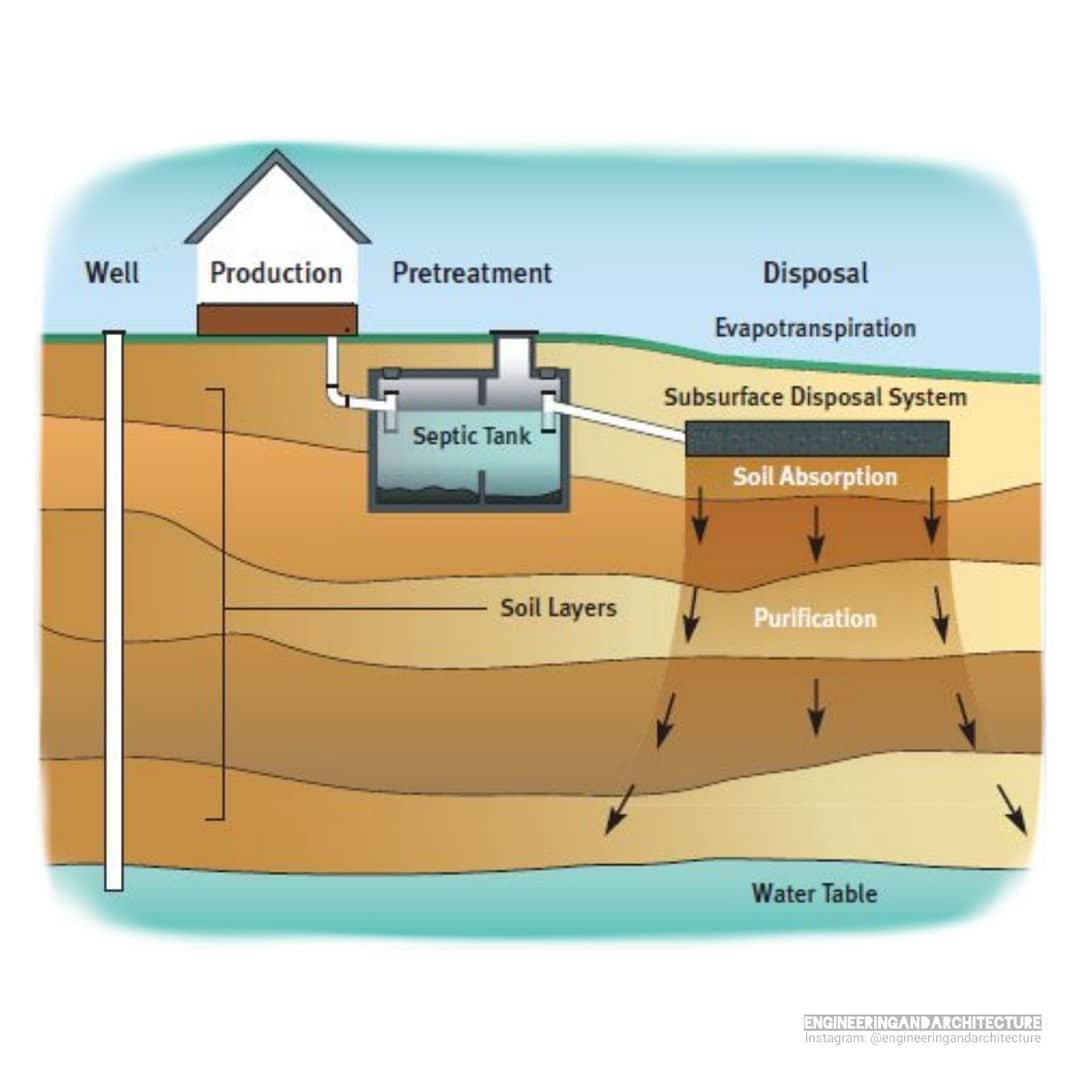
Before diving into the reasons for post-rain smells, it's essential to understand how a septic system works. A septic system treats wastewater from your home. It consists of two main parts: the septic tank and the drain field.
- Septic Tank: This underground container is where wastewater settles and separates into solids (sludge) and liquids (effluent). Bacteria decompose the solids, breaking them down into simpler substances.
- Drain Field: The effluent (liquid) from the tank is then discharged to the drain field, a series of underground pipes that allow the water to slowly seep into the surrounding soil. This soil acts as a natural filter, purifying the water before it returns to the environment.
Why Your Septic Tank Might Smell After Rain
Rainfall can disrupt the delicate balance of your septic system, leading to unpleasant odors. Here are some common reasons why your septic tank might smell after rain:
Overloaded System
Heavy rainfall can overwhelm your septic system. If your drain field is already close to its capacity, additional water from the storm can saturate the soil, preventing the effluent from filtering properly. This leads to a backup of wastewater, potentially causing the smell to surface.
Drain Field Clogging
Over time, the drain field can become clogged with debris like roots, grease, and sediment. When heavy rain falls, the excess water can't penetrate the clogged drain field, forcing it to back up and create odors.
Septic Tank Issues
Problems within the septic tank itself can also contribute to smells. If the tank is full or the bacteria aren't functioning effectively, the wastewater might not be properly treated, resulting in odoriferous gases escaping. Additionally, cracks in the tank or a faulty lid can allow the smell to escape into the surrounding environment.
What You Can Do
If you're dealing with septic tank odors after rain, it's crucial to address the problem promptly. Here are some steps you can take:
- Reduce Water Use: Limit water consumption after heavy rainfall to give your septic system time to catch up. Avoid running the dishwasher, washing machine, or taking long showers.
- Inspect Your Drain Field: Look for signs of saturation or pooling water near your drain field. If you spot any issues, contact a septic professional immediately.
- Maintain Your Septic System: Regular maintenance, including pumping out the tank every 3-5 years, is crucial for keeping your system functioning efficiently and preventing odors.
- Professional Assistance: If the smell persists or you suspect a more serious problem, it's best to call a qualified septic technician. They can assess the situation, identify any underlying issues, and provide solutions.
Dealing with a smelly septic system can be a frustrating experience, but by understanding the potential causes and taking proactive steps, you can prevent odors from becoming a recurring problem. Regular maintenance, prompt action, and professional assistance are key to keeping your septic system functioning smoothly and your home odor-free.
How to Clean Septic Tank Drain Fields for Better Flow
How to Clean Septic Tank Drain Fields for Better Flow
A properly functioning septic system is essential for a comfortable and hygienic living environment. One of the most crucial components of this system is the drain field, which acts as a natural filter, removing harmful bacteria and pollutants from wastewater before it reaches groundwater. Over time, however, the drain field can become clogged with debris and sludge, hindering its ability to process waste effectively. This can lead to a range of problems, including foul odors, slow draining toilets, and even sewage backups. Fortunately, there are steps you can take to clean your septic tank drain field and restore optimal flow.
Understanding Septic Tank Drain Fields
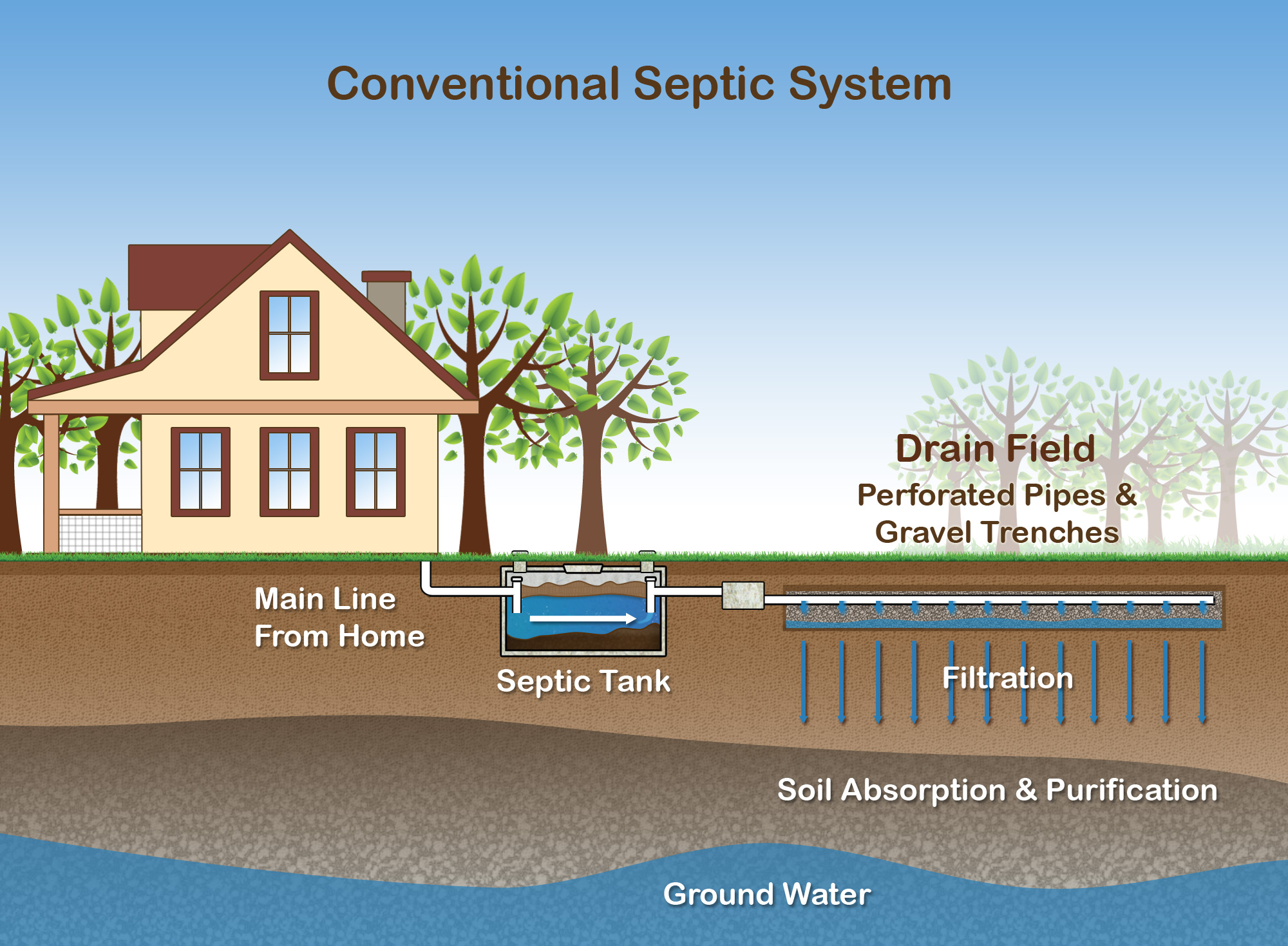
Before diving into cleaning methods, it's important to understand how septic tank drain fields work. The drain field is a network of perforated pipes buried underground. Wastewater flows from the septic tank into these pipes, where it gradually seeps into the surrounding soil. The soil acts as a natural filter, breaking down harmful contaminants and releasing clean water back into the environment.
Drain fields are designed to be low-maintenance, but they require periodic care to ensure optimal performance. Several factors can contribute to drain field clogging, including:
- Excessive grease and oil: Fats and oils from cooking and cleaning can solidify in the drain field pipes, obstructing flow.
- Large amounts of solid waste: Flushable wipes and other non-biodegradable items can accumulate in the pipes, causing blockages.
- Tree roots: Tree roots can grow into the drain field pipes, disrupting flow and potentially causing damage.
- Soil compaction: Over time, the soil surrounding the drain field pipes can become compacted, reducing its ability to absorb wastewater.
Cleaning Your Septic Tank Drain Field
The best way to clean your septic tank drain field is to prevent clogging in the first place. This involves:
- Avoiding flushing non-biodegradable items: Dispose of flushable wipes, paper towels, and other non-biodegradable items in the trash. Only flush toilet paper.
- Using biodegradable cleaning products: Avoid using harsh chemicals and detergents that can harm the bacteria that break down waste in the septic system. Opt for environmentally friendly alternatives.
- Maintaining a healthy septic system: Regularly pump your septic tank to prevent sludge buildup. This will reduce the amount of solids that reach the drain field.
If your septic tank drain field is already clogged, you can try the following methods to restore flow:
Hydro-Jetting
Hydro-jetting is a professional method that uses high-pressure water to clear blockages from the drain field pipes. This is a highly effective method, but it can be expensive and may not be suitable for all types of drain fields. Contact a licensed septic system professional for an assessment and quotation.
Bio-Remediation
Bio-remediation involves introducing beneficial bacteria to the drain field that break down organic matter, such as grease and sludge. This is a more eco-friendly approach than hydro-jetting, but it may take longer to see results. You can purchase bio-remediation products at most home improvement stores.
Aerating the Drain Field
If the soil surrounding the drain field is compacted, you can use a garden aerator to loosen it up, improving drainage. This method should only be used as a last resort, as it can potentially damage the drain field pipes if not done carefully. Contact a professional for advice and assistance with this procedure.
When to Call a Professional
If you're experiencing persistent problems with your septic system, such as slow drains, sewage backups, or foul odors, it's essential to contact a licensed septic system professional. They can assess the situation, identify the root of the problem, and provide the necessary repairs or maintenance.
Conclusion
Maintaining a clean septic tank drain field is crucial for a healthy and functioning septic system. By following the preventive measures outlined above, you can avoid clogging and ensure optimal flow. If you're experiencing problems with your drain field, contact a licensed professional for assistance.
How to Remove Septic Tank Odor from Your Living Room and Other Areas
How to Get Rid of That Septic Tank Smell in Your Home
Let's face it, a septic tank smell is never a welcome guest. It can creep into your living room, kitchen, even your bedroom, turning your cozy home into a smelly nightmare. But don't panic! While it's a common issue, there are ways to banish that foul odor for good.
The first step is understanding where the smell is coming from. Is it just a faint whiff, or is it overpowering? Knowing the source will help you target the problem effectively.
Why Is My House Smelling Like Septic?
The culprit behind that awful odor? A breakdown in your septic system. Here's what's happening:
- Leaks: A crack or hole in your septic tank, pipes, or the drain field can let those pungent gases escape.
- Overloading: Too much waste going into your system can lead to backups and overflow.
- Poor Ventilation: Your septic system should have proper vents to allow gases to escape safely. If these are blocked or missing, odor can build up.
- Dry Soil: The drain field needs moisture to work efficiently. Dry soil can hinder drainage, leading to a smelly situation.
Tackling the Smell: A Step-by-Step Guide
Now, let's get to the heart of the matter - eliminating the smell!
1. Identifying the Source
Before jumping into action, pinpointing the source of the smell is key. Check these areas:
- Around your septic tank: Look for visible cracks, holes, or signs of dampness.
- Near your drain field: Observe any pooling of water or areas where the soil is unusually soft.
- Inside your house: The smell might be strongest near drains, toilets, or vents.
2. Temporary Fixes: Masking the Smell
For immediate relief, these simple tricks can help mask the odor:
- Open windows: Good air circulation can help dissipate the smell.
- Boil water: Add a cup of vinegar to a pot of boiling water and let it simmer on the stove. The steam can help absorb odors.
- Air fresheners: Use scented candles, air fresheners, or essential oils to mask the smell.
- Baking soda: Sprinkle baking soda on carpets and rugs to absorb odors, then vacuum thoroughly.
Keep in mind, these are temporary fixes. The real solution lies in addressing the underlying problem.
3. Long-Term Solutions: Addressing the Root Cause
Now it's time to get to the core of the issue. Here's a breakdown of the most effective approaches:
- Professional Inspection: Don't hesitate to call a qualified septic system inspector. They can pinpoint the source of the problem and recommend the best course of action.
- Tank Maintenance: A regular septic tank pumping schedule is essential. It prevents backups and keeps your system running smoothly.
- Repair or Replacement: If your septic tank is leaking, cracked, or old, it may need repairs or replacement.
- Drain Field Repair: If the drain field is clogged or failing, it may require repair or replacement.
- Improving Ventilation: Ensure that your septic tank vents are working correctly and are not blocked.
- Conserving Water: Reduce your water usage to prevent overloading the system. This can mean taking shorter showers, fixing leaks, and watering your lawn less frequently.
Preventing Future Septic Odors
Once you've addressed the smell, you'll want to prevent it from coming back. Here are some preventative measures:
- Regular Inspections: Schedule annual septic tank inspections to catch potential problems early.
- Proper Maintenance: Pump your tank every 3-5 years or as recommended by your local regulations.
- Avoid Flushing Unnecessary Items: Only flush toilet paper and human waste. Avoid flushing things like wipes, paper towels, and feminine hygiene products.
- Water Conservation: Reduce your water usage to avoid overloading the system.
- Avoid Harsh Chemicals: Harsh chemicals can harm your septic system bacteria. Use biodegradable cleaners instead.
Key Takeaways
Dealing with a septic tank smell can be frustrating, but it doesn't have to be overwhelming. By understanding the root cause, implementing temporary solutions, and taking preventive measures, you can say goodbye to that unpleasant odor and enjoy a fresh-smelling home!
Remember, if you suspect a serious issue, it's always best to consult a qualified professional. They can provide expert advice and solutions to ensure your septic system is operating efficiently and odor-free.
Wednesday, November 13, 2024
How to Keep Your Septic Tank Clean Without Over-Reliance on Pumping

How to Keep Your Septic Tank Clean Without Over-Reliance on Pumping
A septic system is an essential part of many homes, especially those that are not connected to a public sewer system. It is responsible for treating wastewater, which is then discharged into the environment. However, septic systems require regular maintenance to function properly. One of the most important aspects of septic system maintenance is keeping the septic tank clean. This article will provide a comprehensive guide on how to keep your septic tank clean without over-reliance on pumping.
Understanding Septic Tank Functionality
Before diving into maintenance strategies, it's crucial to understand how septic systems work. A septic tank is a large, underground container that receives wastewater from your home. This wastewater separates into three layers:
- Scum Layer: Lighter materials like fats, oils, and grease rise to the top.
- Clear Water Layer: The middle layer consists of partially treated water.
- Sludge Layer: Solids, such as food scraps, settle at the bottom, forming sludge.
The clear water layer is then discharged to a leach field, where it is further filtered and dispersed into the soil. The sludge and scum layers remain in the tank and must be removed periodically through pumping. The frequency of pumping depends on factors such as tank size, household size, and wastewater generation habits.
Minimizing Sludge and Scum Accumulation
The primary goal of septic tank maintenance is to prevent excessive build-up of sludge and scum. This can be achieved through a combination of lifestyle changes and proactive measures.
Wastewater Management Practices
- Avoid Flushing Non-Biodegradable Materials: Avoid flushing items like wipes, paper towels, sanitary products, and cotton balls. These materials do not decompose easily and contribute to sludge build-up.
- Use Water Efficiently: Shorten shower time, use water-saving appliances, and fix leaks promptly. Reducing water usage minimizes the amount of wastewater entering the tank.
- Proper Waste Disposal: Dispose of grease and cooking oil in designated containers. Never pour them down the drain, as they solidify in the tank and contribute to scum formation.
- Manage Garbage Disposal Use: While convenient, garbage disposals can increase the amount of solids entering the septic system. Use them sparingly and avoid overloading them with large quantities of food waste.
Regular Inspections and Maintenance
Regular inspections and maintenance are crucial for ensuring the proper functioning of your septic system.
- Schedule Routine Inspections: A qualified septic system inspector should be called every 2-3 years to evaluate the system's performance and identify potential issues. They can assess sludge and scum levels and recommend appropriate maintenance actions.
- Pre-Treat Wastewater: Use septic tank additives that break down organic matter and reduce sludge accumulation. These products can be purchased at most hardware stores and contain bacteria that help with the decomposition process.
- Maintain The Drain Field: The drain field is where treated wastewater is dispersed into the soil. Ensure it remains clear of debris and vegetation that can impede drainage. Regular mowing and trimming are essential for maintaining proper drainage.
Advanced Techniques for Septic Tank Maintenance
For those seeking to further minimize reliance on pumping, advanced techniques are available. However, it's crucial to consult with a qualified professional before implementing any of these methods.
Septic Tank Aeration Systems
Aeration systems introduce oxygen into the septic tank, encouraging the growth of aerobic bacteria. These bacteria break down organic matter more efficiently than anaerobic bacteria that thrive in oxygen-deprived environments. Aeration systems can significantly reduce sludge accumulation and extend the time between pumpings.
Alternative Wastewater Treatment Systems
In some cases, homeowners may opt for alternative wastewater treatment systems that offer more efficient sludge and scum management. Examples include:
- Greywater Systems: These systems separate wastewater from kitchens and bathrooms, allowing for separate treatment. Greywater can be reused for irrigation or other non-potable uses.
- Composting Toilets: These toilets use a composting process to break down waste, reducing the need for traditional septic tank systems.
Signs of a Septic System Problem
Recognizing early signs of a septic system issue can prevent costly repairs and ensure the long-term health of your system.
- Slow Draining Drains: If sinks, tubs, or toilets drain slowly, it could indicate a blockage in the septic system.
- Foul Odors: A strong sewage smell coming from your home, yard, or drain field suggests a malfunctioning septic system.
- Gurgling Sounds: Unusual noises from drains or plumbing fixtures may indicate a problem with the septic system.
- Soggy or Wet Soil: If the ground around your septic tank or drain field is constantly damp or wet, it could signify a drainage issue.
If you observe any of these signs, contact a qualified septic system professional for inspection and diagnosis. Prompt attention to issues can prevent them from escalating into major problems.
Conclusion
Maintaining a clean septic tank without excessive reliance on pumping requires a multifaceted approach. By adopting sustainable wastewater management practices, engaging in regular maintenance, and considering advanced techniques when appropriate, homeowners can ensure the longevity and efficient functioning of their septic systems. Proactive and preventative measures are crucial for minimizing sludge and scum accumulation and maximizing the life span of your septic system.
Septic Smell in Your House: Causes, Solutions, and Prevention Tips

Septic Smell in Your House: Causes, Solutions, and Prevention Tips
Ugh, that smell! You know the one - that unmistakable, earthy, sewage-like odor that creeps into your house and makes you want to hold your breath. A septic smell is never a good sign, and it's important to address it quickly before it becomes a bigger problem.
Don't worry, we're here to break down the causes, solutions, and prevention tips to help you banish that stinky intruder.
The Root of the Problem: Why Does My House Smell Like Sewage?
There are a few likely culprits behind that unpleasant aroma. Understanding the source is key to finding the right solution.
1. The Septic Tank Itself
The most obvious culprit is a problem with your septic tank. Here are some common issues that can lead to a septic smell:
- Overfilled tank: If your tank is full, it can't properly process wastewater. This leads to overflow and backup into your home's plumbing system.
- Clogged drain field: The drain field is responsible for filtering and releasing treated wastewater back into the environment. If it gets clogged, the wastewater can back up into your house.
- Damaged tank: Cracks or leaks in the tank can allow wastewater to escape and create that foul odor.
- Excessive solids: If you're using too much toilet paper or flushing non-flushable items, it can build up in the tank and cause problems.
2. Plumbing Issues
Problems within your home's plumbing can also contribute to the smell. These can include:
- Leaking pipes: Leaky pipes can release wastewater into your house, causing the smell.
- Clogged drains: Hair, grease, and other debris can clog drains, creating a breeding ground for bacteria and causing the smell.
- Dry P-traps: P-traps are U-shaped sections in plumbing that hold a small amount of water to prevent sewer gases from entering your home. If they dry out, the gases can escape.
3. Environmental Factors
Sometimes, the source of the smell isn't inside your house at all. Here are some environmental factors that can contribute:
- Heavy rains: Flooding or high groundwater levels can put pressure on the septic system, causing backup and odors.
- Nearby sewer lines: If your septic system is close to a public sewer line, a leak in the sewer line could release odors into your home.
- Soil type: Some soils are less effective at filtering wastewater, making them more prone to septic system issues.
Solving the Stinky Situation: How to Get Rid of the Septic Smell
Once you know the cause, you can take action to eliminate the smell. Here's a breakdown of solutions depending on the source:
1. Septic Tank Issues
- Pumping: If your tank is overfilled, the first step is to have it pumped. A professional will remove the accumulated sludge and waste, restoring the tank to proper functioning.
- Drain field repair: A clogged drain field needs to be inspected and repaired. This may involve replacing sections of the field or clearing blockages.
- Tank repairs: If there's a crack or leak in the tank, it needs to be repaired or replaced. This is a more involved process, but essential for a healthy septic system.
- Maintenance: Regularly scheduled pumping (usually every 2-3 years) can prevent tank overflow and keep your system functioning well.
- Proper use: Avoid flushing non-flushable items like wipes, paper towels, or food scraps. These items can clog the system and create problems.
2. Plumbing Issues
- Inspect and repair: Leaky pipes need to be repaired promptly. A plumber can identify and fix the leaks.
- Clear clogs: Clogged drains should be cleared using a plunger, drain snake, or professional plumbing services.
- Check and refill P-traps: If your P-traps are dry, add a small amount of water to restore their function.
3. Environmental Factors
Dealing with environmental factors is a bit trickier. Here's what you can do:
- Contact your local authorities: If you suspect a leak in a nearby public sewer line, contact your local water department or sewer authority for assistance.
- Consult a septic system specialist: For soil-related issues, a septic system specialist can advise on proper maintenance or potential solutions.
Preventing the Stinky Surprise: Tips to Keep the Smell Away
A stitch in time saves nine. Prevention is key to keeping that septic smell at bay. Here's a rundown of proactive steps you can take:
- Regular septic tank pumping: Schedule regular pumping to prevent overflow and maintain optimal performance.
- Proper use and disposal: Avoid flushing non-flushable items, and dispose of grease and oil properly.
- Water conservation: Reduce water usage by taking shorter showers, fixing leaks, and using efficient appliances. This will help reduce strain on your septic system.
- Don't over-load the system: Avoid doing large laundry loads or running dishwashers during peak hours.
- Inspect your plumbing: Regularly check for leaks, clogged drains, and dry P-traps. Address any issues promptly.
- Consider a septic system treatment: Adding beneficial bacteria or enzymes can help break down waste and improve the efficiency of your septic system.
- Keep trees and shrubs away: Avoid planting trees or shrubs near the septic system, as their roots can damage the lines.
- Stay vigilant: Be aware of changes in your septic system, such as slow draining, gurgling noises, or unusual odors. These could be signs of an underlying issue.
A Final Note
If you're unsure about the cause of the smell or how to handle the situation, it's always best to err on the side of caution. Contact a licensed septic system professional for advice and assistance.
Remember, a healthy septic system is essential for a comfortable and odor-free home. By understanding the causes, solutions, and prevention tips, you can take charge and keep that septic smell at bay.
How to Get Rid of Septic Tank Smells in Your Bathroom

How to Eliminate Septic Tank Odors in Your Bathroom
The presence of a septic tank odor in your bathroom can be a source of discomfort and embarrassment. While the odor may seem like a significant problem, it's often a sign of minor issues that can be easily addressed. This article will guide you through understanding the causes of septic tank smells in your bathroom and provide effective solutions to eliminate them.
Understanding the Source of the Smell
Before embarking on solutions, it's crucial to understand the source of the odor. Septic tank smells usually occur when gases, including hydrogen sulfide, methane, and ammonia, escape from the tank and enter your bathroom. This typically happens due to one or more of the following reasons:
1. A Full or Overflowing Septic Tank
A full septic tank is one of the most common culprits behind bathroom odors. When the tank is full, it can't effectively process waste, leading to a buildup of gases that eventually seep out.
2. Blocked Drain Field
A blocked drain field, which is the area where wastewater is filtered and released, can also cause odors. When the drain field is blocked, the wastewater can back up into the septic tank, leading to a buildup of gases.
3. Cracked or Damaged Pipes
Cracks or damage in your septic system's pipes can allow gases to escape. This is particularly problematic with the vent pipe, which allows gases to escape safely into the atmosphere.
4. Poor Ventilation
Inadequate ventilation in your bathroom can trap odors, making them more pronounced. Proper ventilation helps to remove gases from the bathroom, preventing them from accumulating.
Eliminating Septic Tank Smells
Now that you understand the potential causes, let's explore effective ways to get rid of those unpleasant odors:
1. Pumping the Septic Tank
Regular pumping of your septic tank is essential for preventing odors. Most septic systems should be pumped every 3-5 years, depending on usage and size. A professional septic service can effectively pump the tank, removing accumulated waste and preventing buildup.
2. Inspecting and Cleaning the Drain Field
If your drain field is blocked, it needs to be cleaned or repaired. A professional septic service can inspect your drain field, identifying any blockages and clearing them. They may also need to replace damaged components or suggest alternative solutions.
3. Repairing Damaged Pipes
Cracked or damaged pipes should be promptly repaired. A professional plumber can assess the damage and make necessary repairs. This will prevent gas leaks and reduce odor problems.
4. Improving Bathroom Ventilation
Improving bathroom ventilation is crucial for eliminating odors. Here are some steps you can take:
- Ensure your bathroom fan is in good working order and runs for at least 15 minutes after each shower or bath.
- Consider installing a larger fan if your current one isn't powerful enough.
- Open a window after a shower or bath to allow fresh air to circulate.
5. Using Home Remedies
While professional services are often necessary, here are some home remedies you can try to temporarily reduce odors:
- Baking soda: Pour 1 cup of baking soda into the drain and let it sit for 30 minutes. Then, flush with hot water. Baking soda helps neutralize odors and absorb moisture.
- Vinegar: Pour 1 cup of white vinegar into the drain and let it sit for 30 minutes. Then, flush with hot water. Vinegar is a natural deodorizer and can help break down clogs.
- Bleach: Use bleach sparingly, as it can damage septic system components. Mix 1/2 cup of bleach with 1 gallon of water and pour it down the drain. Let it sit for 30 minutes, then flush with water. Bleach can kill bacteria that cause odors.
- Borax: Sprinkle 1/2 cup of borax down the drain and let it sit for 30 minutes. Then, flush with hot water. Borax is a natural deodorizer and can help prevent odors from returning.
Prevention is Key
While eliminating existing odors is important, it's also crucial to adopt habits that prevent future problems. Here are some preventive measures:
- Avoid pouring grease, oil, or chemicals down the drain. These substances can clog pipes and damage your septic system.
- Limit the amount of toilet paper you use.
- Use water-soluble wipes instead of flushable wipes. Flushable wipes don't break down as easily and can contribute to clogs.
- Don't overload your septic system with large amounts of water at once. For example, avoid running multiple washing machines or showers simultaneously.
- Schedule regular septic tank inspections and pumping to catch problems early on.
When to Call a Professional
If you've tried home remedies and the odors persist, or if you suspect a more serious problem with your septic system, it's essential to call a qualified septic service professional. They can accurately diagnose the issue and recommend the appropriate solutions. Don't hesitate to seek professional help if you notice any of the following:
- Persistent odors, despite your efforts to eliminate them.
- Gurgling sounds in your drains or toilets.
- Slow draining in your sinks or tubs.
- Pooling of water in your yard around the septic system.
- Visible cracks or damage to your septic system components.
By following the advice outlined in this article and proactively addressing any issues, you can effectively eliminate those unpleasant septic tank odors and enjoy a fresh and odor-free bathroom environment.
How to Use Organic Cleaners to Maintain a Clean Septic Tank
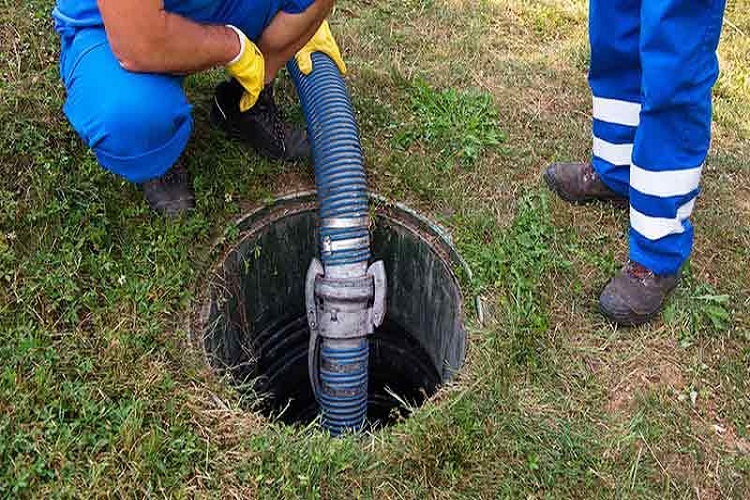
Using Organic Cleaners to Maintain a Clean Septic Tank
Maintaining a healthy septic system is crucial for a functional home. While chemical cleaners might seem like the quick fix, they can actually harm your septic tank and the surrounding environment. Organic cleaners, however, provide a safe and effective way to keep your septic system running smoothly. Here's a comprehensive guide to using organic cleaners for a clean and efficient septic tank.
Why Opt for Organic Cleaners?
Traditional chemical cleaners contain harsh ingredients like chlorine and bleach that can disrupt the delicate balance of bacteria in your septic tank. These bacteria are essential for breaking down waste and keeping the system functioning properly. Excessive chemical use can kill these beneficial bacteria, leading to clogs, foul odors, and even system failure. Organic cleaners, on the other hand, are made with natural ingredients that are safe for your septic system and the environment.
Organic Cleaners You Can Use
There are various organic cleaners available that are specifically designed for septic systems. Here are some popular options:
Baking Soda and Vinegar
This classic combination is a powerful and safe cleaning solution. Baking soda helps neutralize odors, while vinegar helps break down grease and grime. Simply pour a cup of baking soda down the drain, followed by a cup of vinegar. Let it sit for 30 minutes, then flush with hot water.
Borax
Borax is a natural mineral that effectively cleans and deodorizes. It's also a good choice for preventing clogs and keeping your drainpipes clear. Add a cup of borax to your toilet bowl, let it sit for several hours, then flush.
Enzyme-Based Cleaners
These cleaners contain beneficial enzymes that break down waste and grease more efficiently. They are specifically designed to support the bacteria in your septic tank and keep it healthy. You can find enzyme-based septic tank cleaners at most home improvement stores.
Tips for Using Organic Cleaners
To get the most out of your organic cleaners and ensure your septic system remains clean, follow these tips:
- Use organic cleaners regularly, even if you don't have any visible problems.
- Avoid pouring grease or oil down your drains, as it can clog your system.
- Use plenty of water when flushing toilets and washing dishes to help move waste through the system.
- Have your septic tank inspected and pumped regularly, typically every 3-5 years, to ensure it's working properly.
Benefits of Organic Cleaners for Your Septic Tank
Using organic cleaners for your septic system offers numerous advantages:
- Environmentally Friendly: Organic cleaners are biodegradable and don't contain harsh chemicals that can pollute groundwater.
- Safe for Septic System: They support the beneficial bacteria in your septic tank, preventing clogs and ensuring efficient waste breakdown.
- Cost-Effective: Many organic cleaners are readily available and affordable compared to chemical alternatives.
- Reduced Odor: Organic cleaners effectively eliminate unpleasant odors, keeping your home smelling fresh.
By using organic cleaners and practicing good septic system maintenance habits, you can ensure a long-lasting and efficient septic system for your home. Remember, choosing organic cleaners not only benefits your septic tank but also protects the environment and your health. Embrace a cleaner, greener approach to septic system maintenance!
How to Prevent Septic Tank Smell from Entering Your Home

How to Prevent Septic Tank Smell from Entering Your Home
Living with a septic system can be a rewarding experience, offering independence from municipal sewer systems. However, dealing with a smelly septic tank can be a real nuisance. The pungent odor can permeate your home, making it unpleasant to live in. But don't despair! You can take proactive steps to prevent that awful septic smell from entering your home. This article will guide you through effective strategies for maintaining a fresh-smelling home, even with a septic system.
Understanding Septic Tank Odors
Septic tank odors are caused by the breakdown of waste in the tank. Anaerobic bacteria, which thrive in oxygen-deprived environments, decompose organic matter, releasing gases that can escape into the surrounding area. The most common culprit is hydrogen sulfide, a colorless gas with a strong rotten egg smell. This gas can seep through cracks in the tank, vent pipes, or even the drainfield if it's not properly maintained.
Preventative Measures for a Smell-Free Home
Regular Septic Tank Inspections and Pumping
The first line of defense against septic odors is regular maintenance. Schedule a professional septic tank inspection and pumping every 3-5 years, or more frequently if you have a large family or use a lot of water. A full tank can lead to backups, overflows, and foul odors. During inspections, a technician can identify any potential problems that could contribute to odor, like cracks in the tank or drainfield issues.
Proper Waste Disposal
Certain household items can wreak havoc on your septic system, leading to unpleasant smells. Avoid putting the following items down the drain:
- Grease and oil
- Disposable wipes (even those labeled "flushable")
- Coffee grounds
- Hair and other debris
- Large amounts of paper products
- Excessive amounts of cleaning chemicals
These substances can clog pipes, build up in the tank, and disrupt the bacteria's balance, leading to odor problems.
Maintain Your Drainfield
The drainfield is the area where treated wastewater is released into the soil. It's crucial to keep this area clear of obstructions and heavy traffic. Avoid planting trees or shrubs near the drainfield, as their roots can infiltrate the system and disrupt its function. Also, be mindful of where you park your car or drive over the drainfield, as heavy vehicles can compact the soil, preventing proper drainage and contributing to odor problems.
Inspect and Clean Vent Pipes
Septic tank vent pipes are designed to release gases into the atmosphere, preventing them from accumulating in the tank and home. However, these pipes can become blocked with debris, creating a backflow of odor. Regularly inspect and clean your vent pipes to ensure proper airflow. If you notice any signs of obstruction, contact a qualified plumber to clear the pipe.
Use Septic Tank Additives
Septic tank additives are formulated to enhance the performance of your system by promoting the growth of beneficial bacteria. These bacteria help break down waste more efficiently, reducing the build-up of solids and preventing the release of foul odors. Choose additives specifically designed for septic tanks, and follow the manufacturer's instructions for application.
Addressing Existing Septic Tank Odor
If you're already dealing with a septic tank odor, don't panic! The above measures can help minimize and eliminate the smell. In addition, consider these steps:
- Ventilate Your Home: Open windows and doors to allow fresh air to circulate and remove the odor.
- Use Air Fresheners: Place air fresheners or scented candles in affected areas to mask the odor temporarily.
- Carpet Deodorizer: Sprinkle carpet deodorizer on your carpets to absorb and neutralize the odor.
- Baking Soda and Vinegar: Combine baking soda and vinegar in a spray bottle to create a natural odor-eliminating solution. Spray the mixture in affected areas and let it sit for a few minutes before wiping it clean.
- Activated Charcoal: Place bowls of activated charcoal in affected areas to absorb the odor.
If you've tried these methods and the odor persists, it's essential to call a professional septic tank service for inspection and repairs. They can identify the source of the odor and implement the necessary solutions to eliminate it permanently.
By following these tips, you can prevent septic tank odor from entering your home and maintain a fresh and comfortable living environment. Remember, regular maintenance and proactive measures are key to preventing odor problems and keeping your septic system functioning optimally.