Sunday, November 17, 2024
How to Remove Septic Tank Odors Without Chemicals
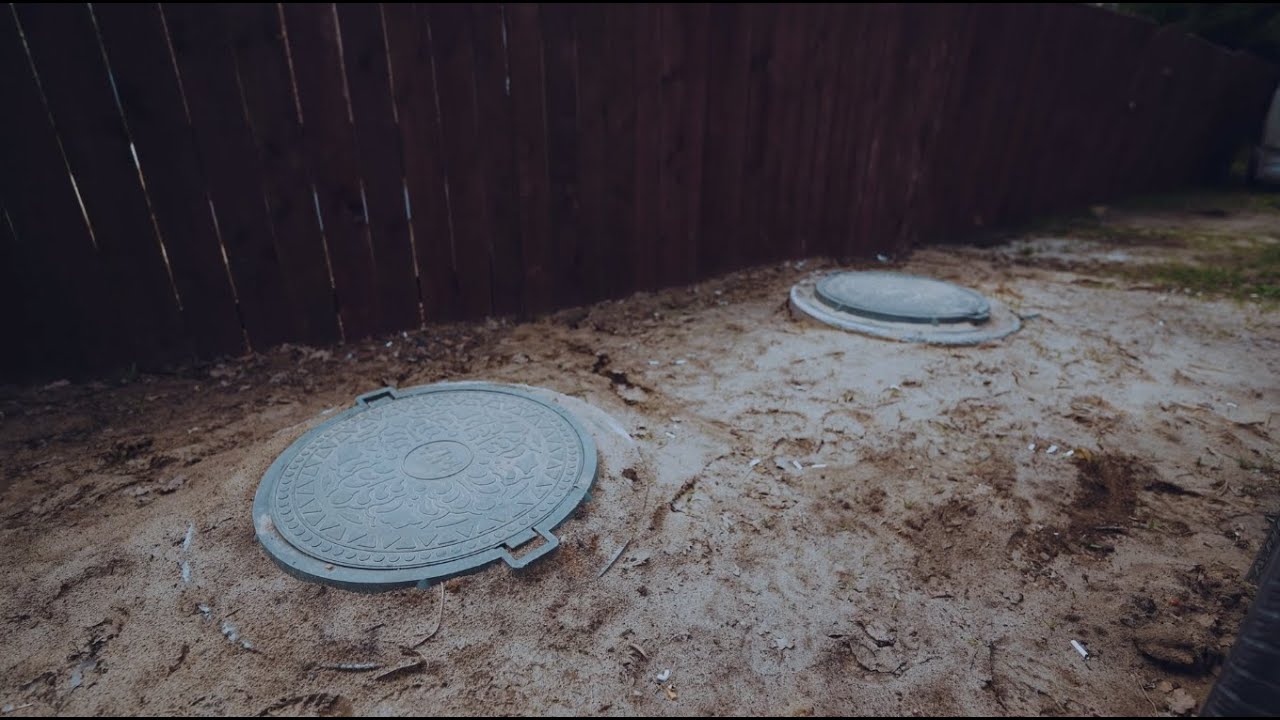
Banishing Those Pesky Septic Tank Odors Naturally
Ugh, that smell! Septic tank odors are the absolute worst, right? That lingering, earthy stench that makes you want to hold your breath and run for the hills. But before you reach for the harsh chemicals that could actually harm your system (and the environment!), let's explore some completely natural ways to tackle this unpleasant problem. This isn't about covering up the smell; it's about getting to the root cause and making your whole property smell fresh and clean again.
Understanding the Source of the Stink
Before we dive into solutions, let's briefly understand where those odors are coming from. Septic tanks, while essential for wastewater treatment, naturally produce gases during the breakdown of organic matter. These gases, primarily hydrogen sulfide (that rotten egg smell!), can escape if your system isn't functioning properly or if there are cracks or leaks. Sometimes, the smell isn't even directly from the tank itself but from the drain field where the treated wastewater is dispersed. A poorly maintained or overloaded system is a recipe for a smelly disaster.
Natural Solutions for Odor Control
Now for the good stuff â€" the natural ways to banish those septic tank odors. These methods focus on improving your system's function and preventing gas buildup. They're gentler on the environment and your wallet than harsh chemicals.
1. The Power of Baking Soda and Vinegar
This classic cleaning duo is surprisingly effective for septic tank odor control. Baking soda neutralizes odors, while vinegar helps break down organic matter that contributes to gas production. Try pouring a cup of baking soda down your drains followed by a cup of vinegar. Let it fizz for a while before flushing with hot water. This isn’t a cure-all, but it can definitely help freshen things up.
2. Enzyme Power: Microbial Boosters
Microbial boosters are available at most hardware stores and online. These are essentially concentrated blends of beneficial bacteria and enzymes that help break down waste more efficiently in your septic tank. A well-functioning septic system relies on bacteria to do the heavy lifting. Boosting their numbers can significantly reduce the amount of smelly gas produced. Follow the product instructions carefully; you generally add them directly to your toilet and flush.
Important note: Not all microbial products are created equal. Look for those specifically designed for septic systems and avoid anything that promises “instant†results or uses harsh chemicals.
3. Maintaining Proper Septic Tank Usage
Believe it or not, what you put down your drains directly impacts your septic system's odor. Here are some crucial habits to adopt:
- Limit grease and oil: These substances solidify in your pipes and tank, hindering the bacterial breakdown process and creating a breeding ground for odors.
- Avoid flushing non-biodegradable items: This includes things like feminine hygiene products, diapers, cotton swabs, and "flushable" wipes. These items don't break down properly and can clog your system, causing backups and odors.
- Be mindful of chemical use: Harsh cleaning chemicals can kill off the beneficial bacteria in your septic tank, disrupting its natural function. Opt for eco-friendly cleaning products whenever possible.
- Limit water usage during peak times: Avoid running multiple water-intensive appliances at once (washing machine, dishwasher, showers). Overloading your system can lead to backups and smelly consequences.
4. Addressing Landscaping Issues
Sometimes the smell isn't coming directly from your tank but from the drain field. If your drain field is poorly located (too close to your house or in a low-lying area), or if it's surrounded by plants with extensive root systems, odors can seep out. Proper landscaping can help. Ensure the drain field area is well-ventilated and doesn't have excessive vegetation that might impede drainage.
5. Regular Inspections and Pumping
Regular septic tank inspections and pumping are crucial for preventing odors and ensuring your system's longevity. How often you need your tank pumped depends on its size and household size, but a good rule of thumb is every 3-5 years. A professional inspection can identify any potential problems early on, preventing more serious (and smelly) issues down the line. Don't wait until you have a problem; schedule regular maintenance to keep your system running smoothly.
6. Ventilation is Key
Adequate ventilation around your septic tank is essential to prevent the buildup of gases. Make sure there’s good airflow around the tank, and that any vent pipes are clear and not blocked.
7. Activated Charcoal
Activated charcoal is a natural odor absorber. You can place open containers of activated charcoal near the tank or in areas where the odor is most noticeable. It's not a permanent solution, but it can help temporarily mask the smell while you address the underlying issue. Remember to replace it periodically.
8. Natural Air Fresheners
While these don't address the root cause, natural air fresheners like essential oil diffusers (lavender, tea tree, or lemon are good choices) can help mask the smell temporarily. They're a much better alternative to synthetic air fresheners, which can contain harsh chemicals.
When to Call a Professional
Despite your best efforts, sometimes you might need professional help. If you notice any of these signs, it's time to call a septic system professional:
- Persistent, strong odors despite trying natural remedies
- Slow-draining drains or toilets
- Gurgling sounds from your drains
- Soggy or wet ground around your drain field
- Visible sewage backup
Commonly Asked Questions
Q: How often should I pump my septic tank?
A: The frequency depends on factors like tank size and household size. A good rule of thumb is every 3-5 years, but regular inspections can help determine the best schedule for your system.
Q: Can I use bleach to clean my septic tank?
A: No, avoid using bleach or other harsh chemicals in your septic tank. They can kill the beneficial bacteria that are crucial for the system's proper function.
Q: What if the smell is coming from the drain field?
A: A professional inspection is recommended to determine the cause. It could be due to poor landscaping, improper drainage, or a failing drain field.
Q: Are microbial boosters safe for my septic system?
A: Yes, when used correctly, microbial boosters are a safe and effective way to improve your septic system's function. Always follow the product instructions carefully.
Remember, a little preventative maintenance goes a long way! By following these natural methods and practicing good septic system habits, you can significantly reduce those pesky septic tank odors and keep your home smelling fresh and clean.

No comments:
Post a Comment
Note: Only a member of this blog may post a comment.