Tuesday, November 12, 2024
How to Treat Septic Tank Smell Using Non-Chemical Solutions
The presence of unpleasant odors emanating from your septic system is a common and often disconcerting issue. While chemical solutions are readily available, they can pose environmental risks and may not always provide a lasting solution. This comprehensive guide explores various non-chemical methods for effectively tackling septic tank smells, promoting both a healthy environment and a pleasant living space.
Understanding the Source of the Odor:
Before delving into solutions, it's crucial to understand the root cause of the odor. Septic tank smells are typically caused by the breakdown of organic matter within the tank and the release of volatile sulfur compounds (VSCs) like hydrogen sulfide. This process is intensified by:
Overloading the system: Excess waste, particularly grease and oil, can overwhelm the bacteria responsible for decomposition, leading to increased odor production.
Improper ventilation: Inadequate ventilation allows odor-causing gases to escape into the surrounding environment.
Leaks and cracks: Structural damage to the tank or drain field can create pathways for the release of odorous gases.
Age and maintenance: An aging septic system, lacking regular maintenance, is more susceptible to odor problems.
Non-Chemical Solutions for Septic Tank Odor Control:
1. Optimize Waste Management:
Reduce grease and oil disposal: Avoid pouring grease and oil down the drain as they form a layer that hinders bacterial activity, increasing odor production.
Minimize flushing of non-biodegradable materials: Items like wipes, paper towels, and feminine hygiene products can clog the system and impede proper waste breakdown.
Use natural cleaning products: Opt for environmentally friendly cleaning products that are biodegradable and less likely to disrupt the bacterial balance in your septic system.
2. Enhance Aeration and Ventilation:
Ensure proper septic tank ventilation: A properly functioning vent pipe allows gases to escape safely into the atmosphere, reducing odor build-up. Check the vent pipe for obstructions and ensure it extends at least 4 feet above the roofline.
Improve airflow around the tank: Eliminate obstructions around the septic tank and drain field to enhance air circulation and prevent odor accumulation.
Consider adding a vent fan: Installing a vent fan near the tank can improve ventilation and draw out odors more efficiently.
3. Promote Bacterial Activity:
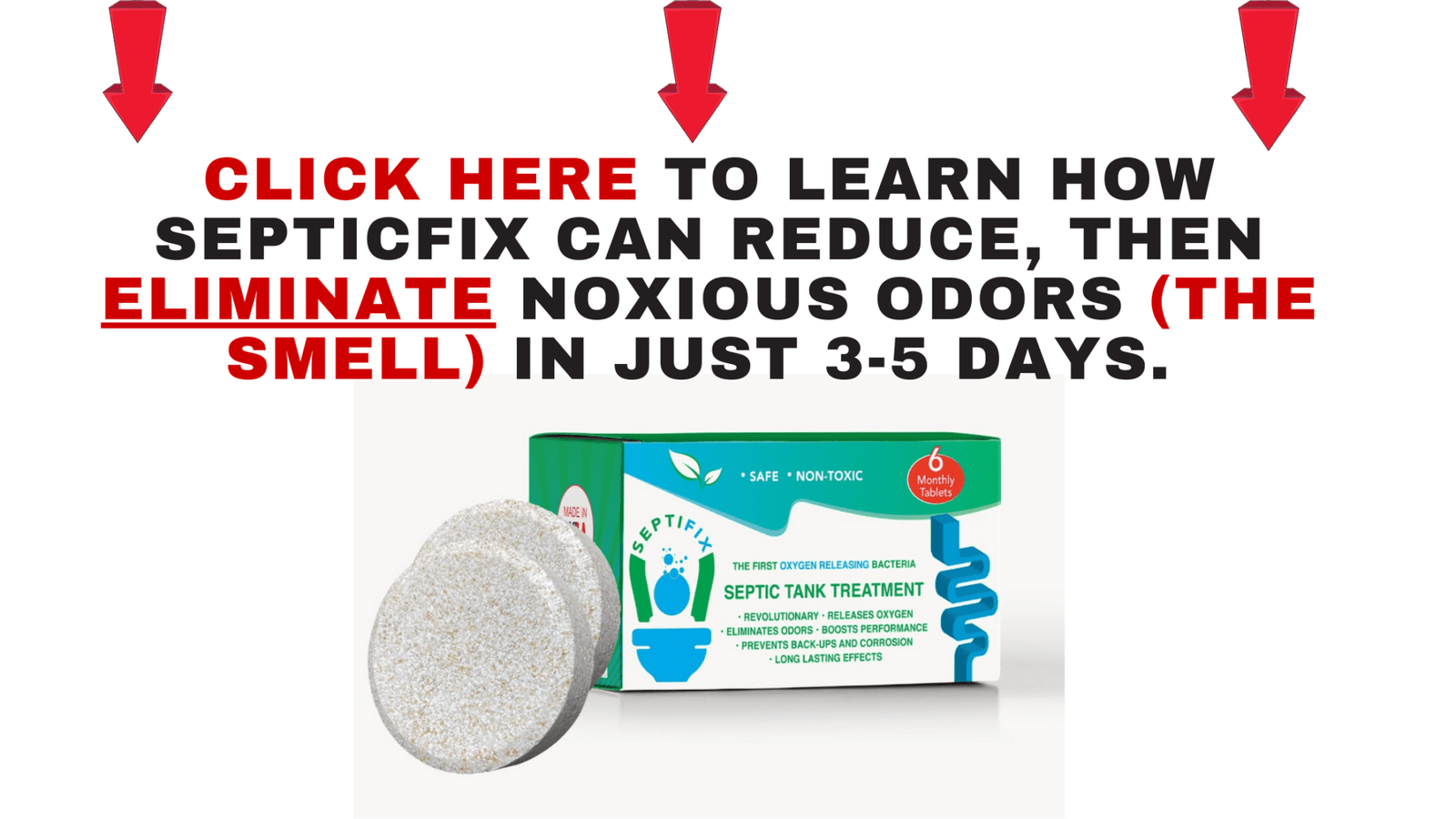
Introduce beneficial bacteria: Commercially available septic tank treatments containing beneficial bacteria can help enhance decomposition, reduce odor production, and prevent sludge buildup.
Use natural bacterial boosters: Adding natural ingredients like baking soda or vinegar to your septic system can stimulate the growth of beneficial bacteria.
Maintain regular maintenance: Schedule regular septic tank pumping and inspection to remove excess sludge and promote optimal bacterial activity.
4. Address Structural Issues:
Inspect for leaks and cracks: Regularly examine your septic system for signs of cracks, leaks, or damage. Contact a qualified professional for repairs or replacements if necessary.
Ensure proper drain field maintenance: The drain field plays a crucial role in filtering wastewater. Regularly inspect the drain field for signs of flooding or blockage and address any issues promptly.
5. Natural Odor Neutralizers:
Place activated charcoal bags: Activated charcoal is an excellent odor absorbent. Place bags of activated charcoal near the septic tank or vent pipe to trap and neutralize odors.
Use baking soda and vinegar: Baking soda is a natural deodorizer and can help absorb odors. Vinegar, with its acidic properties, can help neutralize odors. Pour a cup of baking soda down the drain followed by a cup of vinegar.
Plant odor-absorbing plants: Certain plants, like lavender, rosemary, and mint, can help mask odors and release pleasant scents. Plant them near the septic system to create a more inviting atmosphere.
6. DIY Solutions:
Sprinkle coffee grounds: Coffee grounds are rich in nitrogen, a key nutrient for beneficial bacteria in the septic system. Sprinkle coffee grounds around the tank or drain field to promote bacterial activity.
Use a fan to direct airflow: Direct a fan towards the septic tank or drain field to help disperse odors and prevent them from accumulating.
Create a natural odor-absorbing solution: Combine equal parts water and baking soda in a spray bottle and apply it around the septic tank and drain field.
7. Professional Assistance:
Consult a septic system expert: If non-chemical solutions fail to eliminate the odor, it's important to contact a qualified septic system professional. They can assess the system, identify the root cause of the problem, and recommend appropriate solutions.
Conclusion:
Addressing septic tank odors without resorting to chemicals is not only environmentally friendly but also promotes a healthy and pleasant living environment. By implementing a combination of the strategies outlined above, you can effectively combat septic tank smells and prevent future problems. Remember, regular maintenance, proper waste disposal, and promoting a healthy bacterial environment are crucial for a smoothly functioning septic system and a odor-free home.

No comments:
Post a Comment
Note: Only a member of this blog may post a comment.