Tuesday, November 12, 2024
How to Stop Septic Tank Smell Using Non-Toxic Treatments
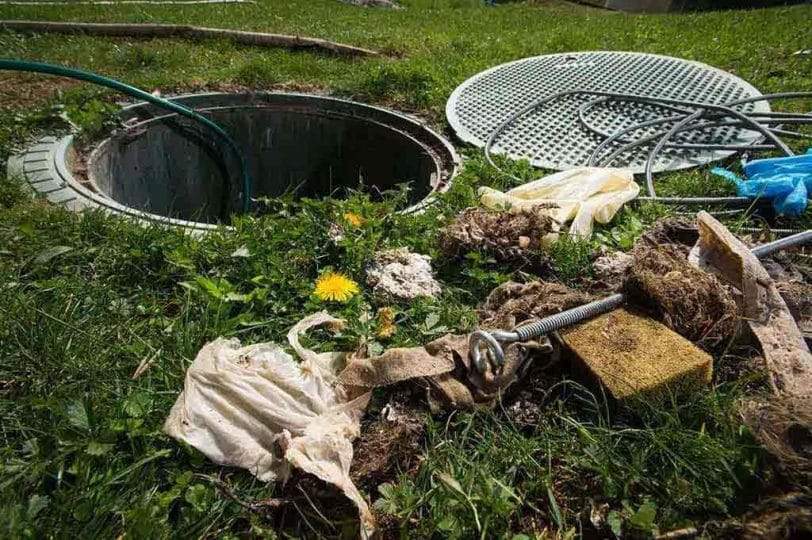
Okay, so you're dealing with that dreaded septic tank smell. It creeps up on you, lingers in the air, and makes you want to hold your breath every time you step outside. Don't worry, you're not alone! This is a common problem, and the good news is you don't have to resort to harsh chemicals to solve it.
Let's dive into some effective, non-toxic ways to banish that stink and get your home smelling fresh again.
1. The Power of Prevention: Daily Habits That Make a Difference
Think of your septic system as a delicate ecosystem â€" treat it right, and it'll treat you right back! Here's how to build good habits:
Flush Wisely: Don't treat your toilet like a garbage disposal. Avoid flushing anything other than toilet paper and human waste. Things like wipes, cotton balls, feminine hygiene products, and even paper towels can wreak havoc on your septic system, leading to clogs and smelly backups.
Keep the Grease Away: That greasy bacon pan? Not going down the drain! Grease is a major culprit in septic tank woes. Wipe it out with paper towels or pour it into a container for disposal. If you must wash it, let it cool first, and use a grease trap to catch any lingering oils.
Mind Your Laundry: Excess laundry detergent can build up in your system, creating that unpleasant odor. Stick to using the recommended amount, and choose eco-friendly detergents that break down easily.
Keep the System Fed: Your septic tank needs a balanced diet. Avoid using harsh chemicals that can disrupt the beneficial bacteria that help break down waste. Opt for natural cleaners and avoid pouring excess bleach down the drain.
Regular Maintenance: Think of your septic tank like your car â€" it needs regular checkups! Schedule a professional inspection every 3-5 years to ensure everything is running smoothly.
2. The Non-Toxic Arsenal: Simple Solutions for Septic Smell Control
Now, let's talk about how to tackle that existing smell. Here are some non-toxic methods to give your septic system a good refresh:
The Baking Soda Power Play: A classic for a reason! Baking soda is a natural deodorizer. Pour a box of baking soda down your toilet and let it sit for a few hours before flushing. Repeat once a month for regular odor control.
Vinegar to the Rescue: Vinegar is another natural disinfectant that helps neutralize odors and break down grease. Pour a cup or two of white vinegar down your toilet, let it sit for 30 minutes, and then flush. Repeat every couple of weeks.
Enzyme Power: Enzymes are like tiny superheroes that break down waste and reduce odor. You can find enzyme products specifically designed for septic systems at your local hardware store. These products work by adding beneficial bacteria to your system, helping it function more efficiently.
The Charcoal Trick: Activated charcoal is a highly absorbent material known for its ability to trap odors. Place a few bags of activated charcoal near your septic tank or in your basement to help neutralize any lingering smells.
The Fresh Air Approach: Sometimes, a little fresh air is all it takes! If the smell is localized to a specific area, open windows and doors to ventilate the space. Consider using a fan to circulate the air and draw out any odors.
The Natural Air Freshener: Add a pleasant scent to your home with essential oils. Diffuse a few drops of citrus, peppermint, or lavender oil to mask the septic odor and leave a refreshing aroma behind.
3. The "If All Else Fails" Plan: Addressing the Root Cause
If the smell persists despite your best efforts, it's time to investigate the source. Here's what you can do:
Check for Leaks: If you see water pooling around your septic tank or smell a strong sewage odor near your septic system, there might be a leak. Contact a professional plumber to investigate and fix the problem.
Consider a Drain Field Issue: The drain field is where wastewater is filtered and released back into the ground. If it's clogged or damaged, it can contribute to backups and odors. A professional can inspect and repair your drain field as needed.
Inspect the Tank Itself: A full or malfunctioning septic tank can cause odors. Schedule a professional inspection to assess the tank's condition and ensure proper functioning.
Bonus Tip: Don't Forget the Drain Cover!
A simple fix that can make a big difference is to make sure your septic tank cover is properly sealed. A cracked or loose cover can let out those nasty smells.
Remember: Prevention is key when it comes to septic tank odors. By following these simple steps, you can keep your system healthy and your home smelling fresh.
If you're unsure about anything or need help with a specific problem, don't hesitate to consult a qualified septic system professional. They can provide expert advice and ensure your system is in tip-top shape!

No comments:
Post a Comment
Note: Only a member of this blog may post a comment.