Wednesday, November 20, 2024
Understanding and Addressing Septic Tank Smell in Your Yard
That Pesky Septic Tank Smell: A Down-to-Earth Guide
Let's be honest, nobody wants their yard smelling like a… well, you know. That unmistakable septic tank odor is not only unpleasant, it can be a real source of worry. But before you panic and start digging, let's troubleshoot this together. This guide will walk you through understanding why your septic system might be letting off that awful smell and what you can do about it. We’ll tackle everything from simple fixes to when you need to call in the professionals. So grab a cup of coffee (or tea!), and let’s get to the bottom of this stinky situation.
Understanding Your Septic System: The Basics
Before we dive into the smell, let's quickly review how a septic system works. Think of it as a mini wastewater treatment plant in your backyard. Wastewater from your home flows into a tank where solids settle at the bottom, forming sludge. Liquids (effluent) then move out to a drain field (or leach field), where they slowly seep into the ground. The whole system relies on a delicate balance of bacteria and natural processes to break down waste. If this balance is disrupted, you might end up with a smelly problem.
The Culprits Behind the Stench
Several things can cause that unpleasant odor: a full septic tank, a clogged drain field, problems with the tank itself, or even something as simple as a poorly sealed lid.
Diagnosing the Source of the Smell
The first step is figuring out *where* the smell is coming from. This will help you narrow down the possible causes. Here's a quick checklist:
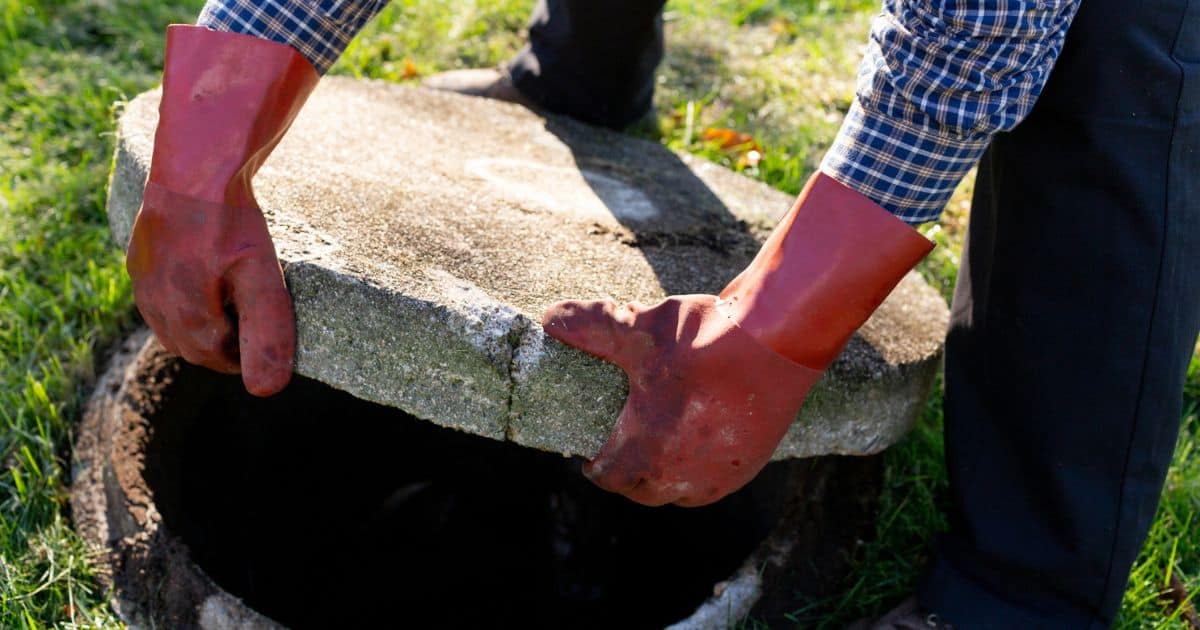
- Inspect the tank lid: Is it cracked or improperly sealed? Even a small gap can allow gases to escape. If it's cracked, you'll definitely want to contact a professional.
- Check the drain field: Look for soggy or unusually green areas of your lawn. This could indicate a problem with the drain field, potentially leading to wastewater backing up and creating odors.
- Assess the surrounding area: Is the smell localized near the tank, or is it more widespread? This can help pinpoint the source of the issue.
- Consider recent activities: Did you have any plumbing work done recently? Have you been using excessive amounts of water or flushing things you shouldn't (like grease or sanitary products)? These can overload the system.
If you've got a serious smell and you are unsure where it's coming from, contacting a septic professional is the smartest move. Trying to troubleshoot a complex septic issue without proper knowledge can actually make things worse.
Troubleshooting Common Septic Tank Smell Issues
Full Septic Tank
A full septic tank is a major culprit behind unpleasant odors. As the tank fills, the level of wastewater rises, potentially pushing sludge and scum into the effluent, which is then released into your drain field. This mix of solids creates foul smells.
Solution: You'll need a septic tank pumping service to remove the accumulated sludge and scum. How often you need this service depends on factors like household size and water usage. Aim for a pumping every 3-5 years as a starting point, but you may need it sooner if you notice a particularly strong odor.
Clogged Drain Field
If your drain field is clogged, wastewater can't drain properly, leading to backups and odors. This is often due to an overload of wastewater or the buildup of solids in the drain field.
Solution: A clogged drain field requires professional attention. Avoid driving or walking on the drain field to prevent compaction, and refrain from planting heavy vegetation in the area.
Septic Tank Leaks or Cracks
Leaks in your septic tank or pipes can allow wastewater to escape into the surrounding soil, causing significant odor problems and potential environmental hazards.
Solution: This is a serious issue requiring immediate professional attention. A qualified septic technician can inspect the tank and pipes, identify leaks, and recommend appropriate repairs or replacement. Ignoring leaks can lead to costly repairs and environmental contamination.
Improperly Sealed Tank Lid
Even a slightly loose or cracked tank lid can allow sewer gases to escape, leading to a noticeable odor. This is often an easy fix, but you should still prioritize safety. Never enter a septic tank without proper safety equipment and training.
Solution: Ensure the lid is securely sealed and consider replacing it if it's damaged. If you're not comfortable working around your septic tank, contact a professional for assistance. A simple seal may require tools and skills you lack, and it's always safest to hire a trained professional.
Preventing Septic Tank Smell Issues
Prevention is key! Here are some simple steps to minimize the risk of septic tank odors:
- Regular pumping: Schedule regular septic tank pumping to prevent buildup of sludge and scum.
- Careful water usage: Avoid overloading your system with excessive water usage. Be mindful of showers, laundry, and dishwashing habits.
- Avoid flushing inappropriate items: Never flush grease, sanitary products, paper towels, or other non-biodegradable items down the toilet. These can clog your system.
- Maintain your drain field: Don't plant heavy vegetation on or near your drain field. Avoid driving or walking on it. Give your system proper space to function.
- Regular inspections: Consider having your septic system inspected periodically by a professional to catch potential problems early.
When to Call a Professional
Don't hesitate to call a professional septic service if:
- You have a persistent and strong odor.
- You suspect a leak in your septic tank or pipes.
- Your drain field appears to be failing.
- You're unsure about the cause of the smell.
- You're uncomfortable performing any maintenance tasks yourself.
Remember, dealing with septic issues is best left to the experts. A trained professional has the knowledge and equipment to diagnose and repair problems safely and efficiently.
Commonly Asked Questions
Q: How often should I have my septic tank pumped?
A: This depends on several factors, including household size and water usage. A general guideline is every 3-5 years, but it's best to consult a professional for personalized advice.
Q: What should I do if I see wastewater bubbling up from the ground?
A: This is a serious sign of a problem. Contact a septic professional immediately. Do not attempt to repair this yourself.
Q: Can I use chemicals to treat my septic system?
A: Generally, it's best to avoid using chemical treatments unless specifically recommended by a septic professional. Many chemicals can harm the beneficial bacteria in your system, making problems worse.
Q: What is the difference between a drain field and a leach field?
A: They're essentially the same thing. The terms are used interchangeably to describe the area where treated wastewater from the septic tank disperses into the ground.
Q: How much does septic tank pumping cost?
A: Costs vary depending on your location, the size of your tank, and the amount of sludge and scum that needs to be removed. It’s best to get quotes from several local septic services to compare prices.
Dealing with a smelly septic tank can be frustrating, but with a little knowledge and the right approach, you can get to the bottom of the problem. Remember, safety and prevention are crucial, and don’t hesitate to call in the pros when needed!

No comments:
Post a Comment
Note: Only a member of this blog may post a comment.