Tuesday, November 12, 2024
How to Fix Septic Tank Smell in Your Home with Simple Treatments
A foul odor emanating from your home can be a source of significant discomfort and embarrassment. While many factors can contribute to unpleasant smells, a common culprit is a malfunctioning septic system. The telltale signs of a septic tank problem include a persistent, sewage-like odor, slow draining sinks and toilets, and even bubbling in your yard. Fortunately, numerous simple treatments can help alleviate these issues and restore a pleasant environment in your home.
Understanding the Source of the Smell:
A septic tank is a self-contained wastewater treatment system that relies on a natural process of bacterial decomposition to break down waste. When the system operates effectively, the decomposition process occurs without producing any noticeable odors. However, a breakdown in this delicate ecosystem can lead to the release of unpleasant gases, which may seep into your home through various pathways.
Common Causes of Septic Tank Odor:
Overloading the System: Exceeding the septic tank's capacity can lead to a backlog of waste, preventing proper decomposition and resulting in foul odors.
Improper Maintenance: Regular maintenance, including pumping and inspection, is crucial for ensuring optimal system function. Neglecting these tasks can lead to accumulation of sludge and scum, hindering the decomposition process.
Clogged Drainfield: The drainfield, where treated wastewater is discharged, can become clogged due to debris, roots, or even soil compaction, obstructing the flow of wastewater and contributing to odor production.
Broken or Leaking Pipes: Damage to the pipes connecting the septic tank to your home can allow untreated wastewater to escape and release foul odors.
Dry Soil Conditions: Inadequate moisture in the soil surrounding the drainfield can hinder the decomposition process and exacerbate odors.
Vent Pipe Issues: The vent pipe, responsible for releasing gases from the septic tank, can become blocked or damaged, causing the buildup of pressure and the escape of unpleasant odors.
Simple Treatments to Eliminate Septic Tank Smell:
1. Boosting Bacterial Activity:
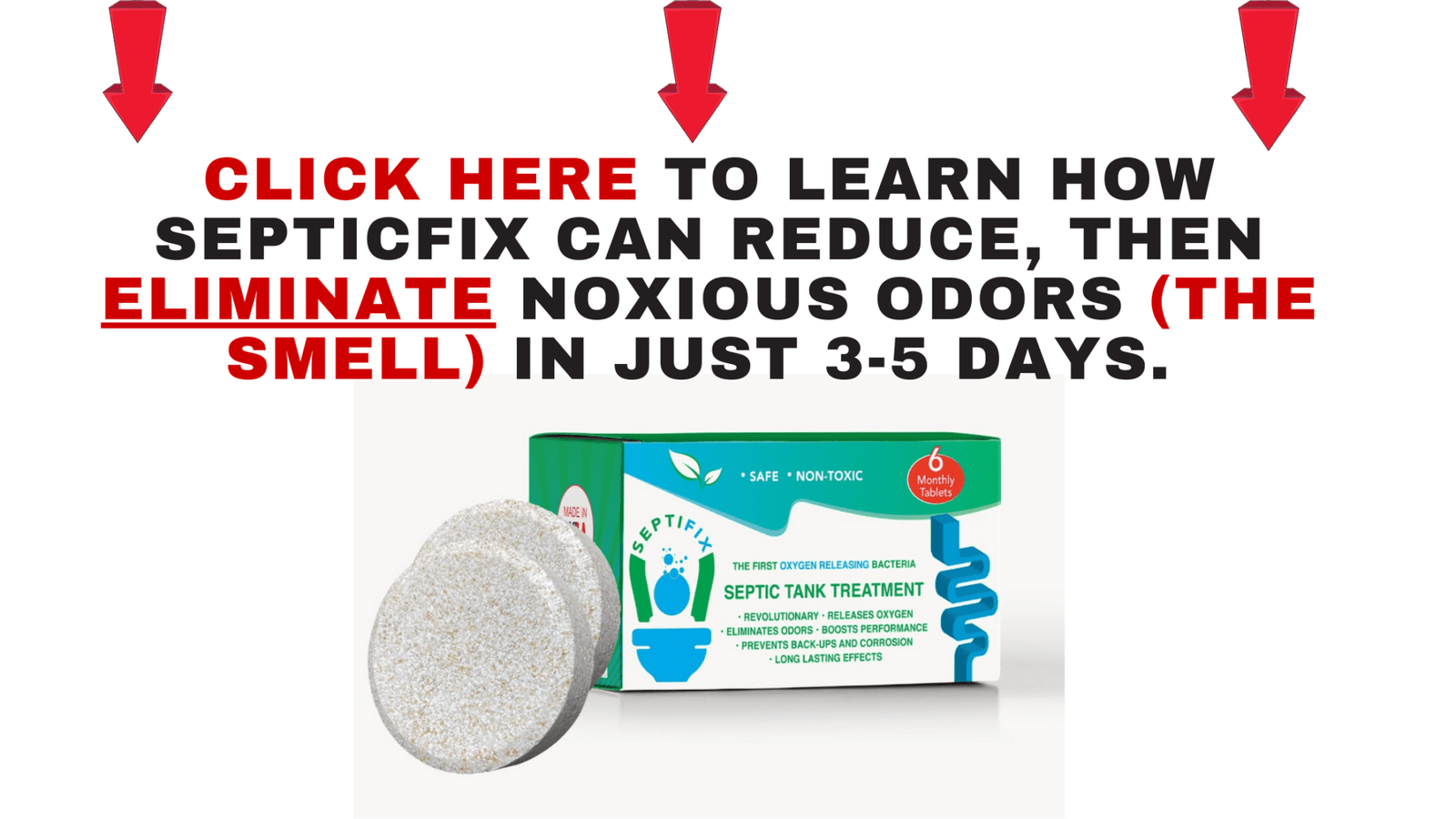
Septic tanks rely on beneficial bacteria to break down waste effectively. Adding septic tank treatment products containing beneficial bacteria can help restore a healthy balance and improve the decomposition process. These products are available at hardware stores and online retailers.
Usage: Follow the manufacturer's instructions carefully. Some products may need to be added directly to the septic tank, while others are added to the toilet or sinks.
Frequency: Regular use, typically monthly or as needed, can help maintain a healthy bacterial population and prevent odor issues.
2. Addressing Overloading:
Minimize the strain on your septic system by adopting water-saving habits and avoiding the disposal of non-biodegradable materials.
Water Conservation: Take shorter showers, use low-flow toilets, and fix any leaking faucets.
Waste Disposal: Avoid flushing items like baby wipes, feminine hygiene products, and paper towels, as these can clog the system and impede waste decomposition.
3. Maintaining the Vent Pipe:
A properly functioning vent pipe is essential for preventing odor buildup.
Inspection: Regularly check the vent pipe for any blockages or damage.
Cleaning: Remove any debris or obstructions from the vent pipe using a brush or a long, flexible tool.
4. Addressing Dry Soil Conditions:
If your soil is too dry, consider adding additional moisture to the drainfield area.
Watering: Gently water the drainfield area during dry periods to promote proper decomposition.
Mulching: Apply a layer of organic mulch, such as wood chips, to help retain moisture in the soil.
5. Professional Intervention:
If the smell persists despite implementing the above treatments, it's recommended to seek professional assistance.
Inspection: A septic tank specialist can conduct a comprehensive inspection to identify the underlying issue and recommend appropriate solutions.
Pumping: If sludge and scum have accumulated in the septic tank, pumping is necessary to remove the buildup and restore proper system function.
Repair: If any pipes are damaged or leaking, they need to be repaired or replaced to prevent further odor issues.
Additional Tips for Odor Prevention:
Regularly inspect and clean your septic tank cover.
Maintain a healthy lawn around the septic tank and drainfield area.
Avoid parking vehicles or heavy equipment over the septic system.
Avoid using harsh chemicals in your septic system.
Schedule regular maintenance appointments with a certified septic tank professional.
Conclusion:
While a septic tank smell can be a nuisance, implementing the simple treatments outlined above can effectively alleviate the problem. By understanding the causes of odor and taking preventive measures, you can ensure your septic system operates efficiently and your home remains odor-free. Remember that proactive maintenance and professional assistance are crucial for maintaining a healthy and odor-free septic system, ultimately contributing to a more pleasant and comfortable living environment.

No comments:
Post a Comment
Note: Only a member of this blog may post a comment.