Thursday, November 14, 2024
How to Clean Septic Tank Drain Fields for Better Flow
How to Clean Septic Tank Drain Fields for Better Flow
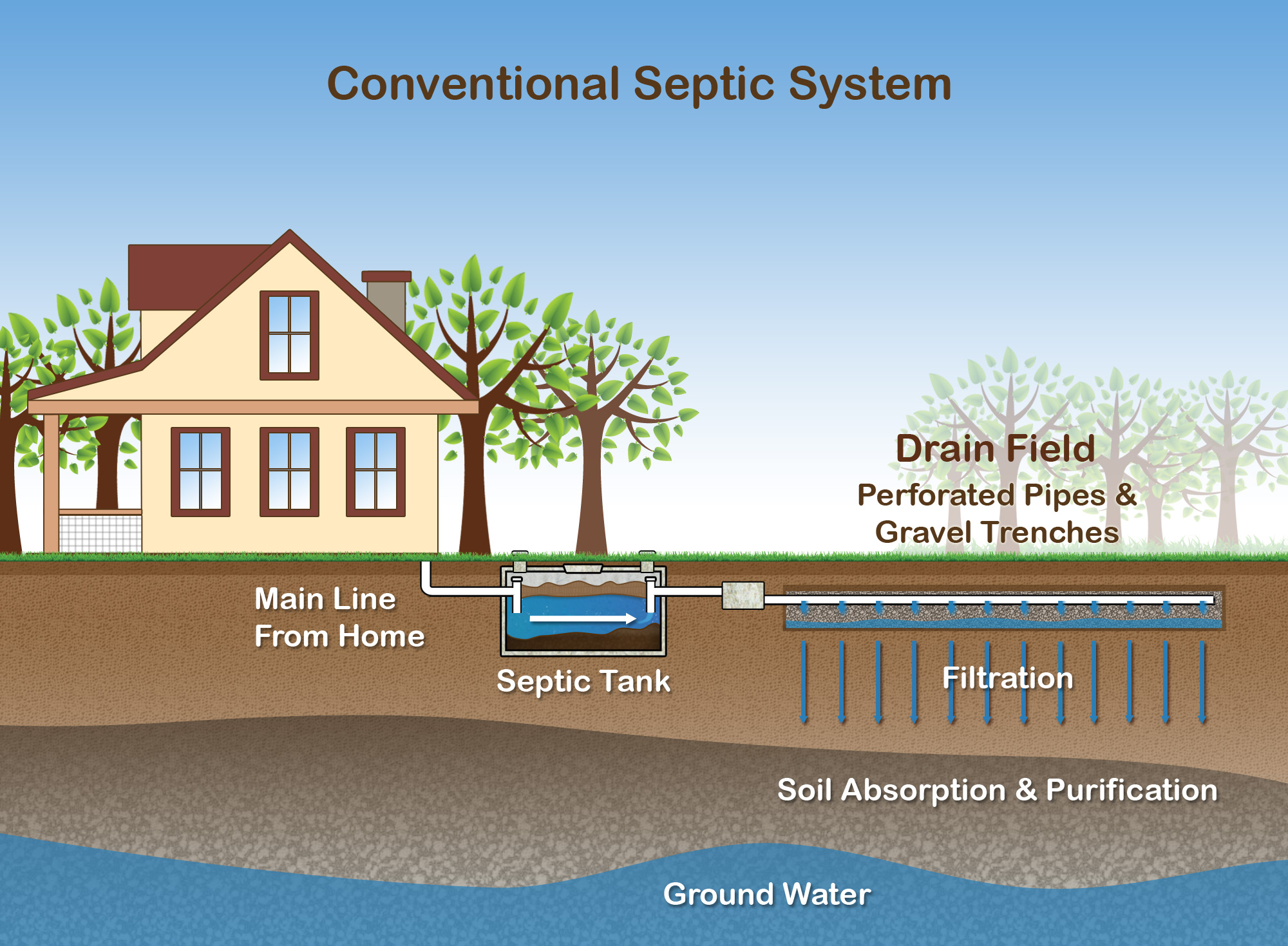
A properly functioning septic system is essential for a comfortable and hygienic living environment. One of the most crucial components of this system is the drain field, which acts as a natural filter, removing harmful bacteria and pollutants from wastewater before it reaches groundwater. Over time, however, the drain field can become clogged with debris and sludge, hindering its ability to process waste effectively. This can lead to a range of problems, including foul odors, slow draining toilets, and even sewage backups. Fortunately, there are steps you can take to clean your septic tank drain field and restore optimal flow.
Understanding Septic Tank Drain Fields
Before diving into cleaning methods, it's important to understand how septic tank drain fields work. The drain field is a network of perforated pipes buried underground. Wastewater flows from the septic tank into these pipes, where it gradually seeps into the surrounding soil. The soil acts as a natural filter, breaking down harmful contaminants and releasing clean water back into the environment.
Drain fields are designed to be low-maintenance, but they require periodic care to ensure optimal performance. Several factors can contribute to drain field clogging, including:
- Excessive grease and oil: Fats and oils from cooking and cleaning can solidify in the drain field pipes, obstructing flow.
- Large amounts of solid waste: Flushable wipes and other non-biodegradable items can accumulate in the pipes, causing blockages.
- Tree roots: Tree roots can grow into the drain field pipes, disrupting flow and potentially causing damage.
- Soil compaction: Over time, the soil surrounding the drain field pipes can become compacted, reducing its ability to absorb wastewater.
Cleaning Your Septic Tank Drain Field
The best way to clean your septic tank drain field is to prevent clogging in the first place. This involves:
- Avoiding flushing non-biodegradable items: Dispose of flushable wipes, paper towels, and other non-biodegradable items in the trash. Only flush toilet paper.
- Using biodegradable cleaning products: Avoid using harsh chemicals and detergents that can harm the bacteria that break down waste in the septic system. Opt for environmentally friendly alternatives.
- Maintaining a healthy septic system: Regularly pump your septic tank to prevent sludge buildup. This will reduce the amount of solids that reach the drain field.
If your septic tank drain field is already clogged, you can try the following methods to restore flow:
Hydro-Jetting
Hydro-jetting is a professional method that uses high-pressure water to clear blockages from the drain field pipes. This is a highly effective method, but it can be expensive and may not be suitable for all types of drain fields. Contact a licensed septic system professional for an assessment and quotation.
Bio-Remediation
Bio-remediation involves introducing beneficial bacteria to the drain field that break down organic matter, such as grease and sludge. This is a more eco-friendly approach than hydro-jetting, but it may take longer to see results. You can purchase bio-remediation products at most home improvement stores.
Aerating the Drain Field
If the soil surrounding the drain field is compacted, you can use a garden aerator to loosen it up, improving drainage. This method should only be used as a last resort, as it can potentially damage the drain field pipes if not done carefully. Contact a professional for advice and assistance with this procedure.
When to Call a Professional
If you're experiencing persistent problems with your septic system, such as slow drains, sewage backups, or foul odors, it's essential to contact a licensed septic system professional. They can assess the situation, identify the root of the problem, and provide the necessary repairs or maintenance.
Conclusion
Maintaining a clean septic tank drain field is crucial for a healthy and functioning septic system. By following the preventive measures outlined above, you can avoid clogging and ensure optimal flow. If you're experiencing problems with your drain field, contact a licensed professional for assistance.

No comments:
Post a Comment
Note: Only a member of this blog may post a comment.