Wednesday, November 13, 2024
How to Clean Septic Tanks Naturally to Avoid Costly Repairs
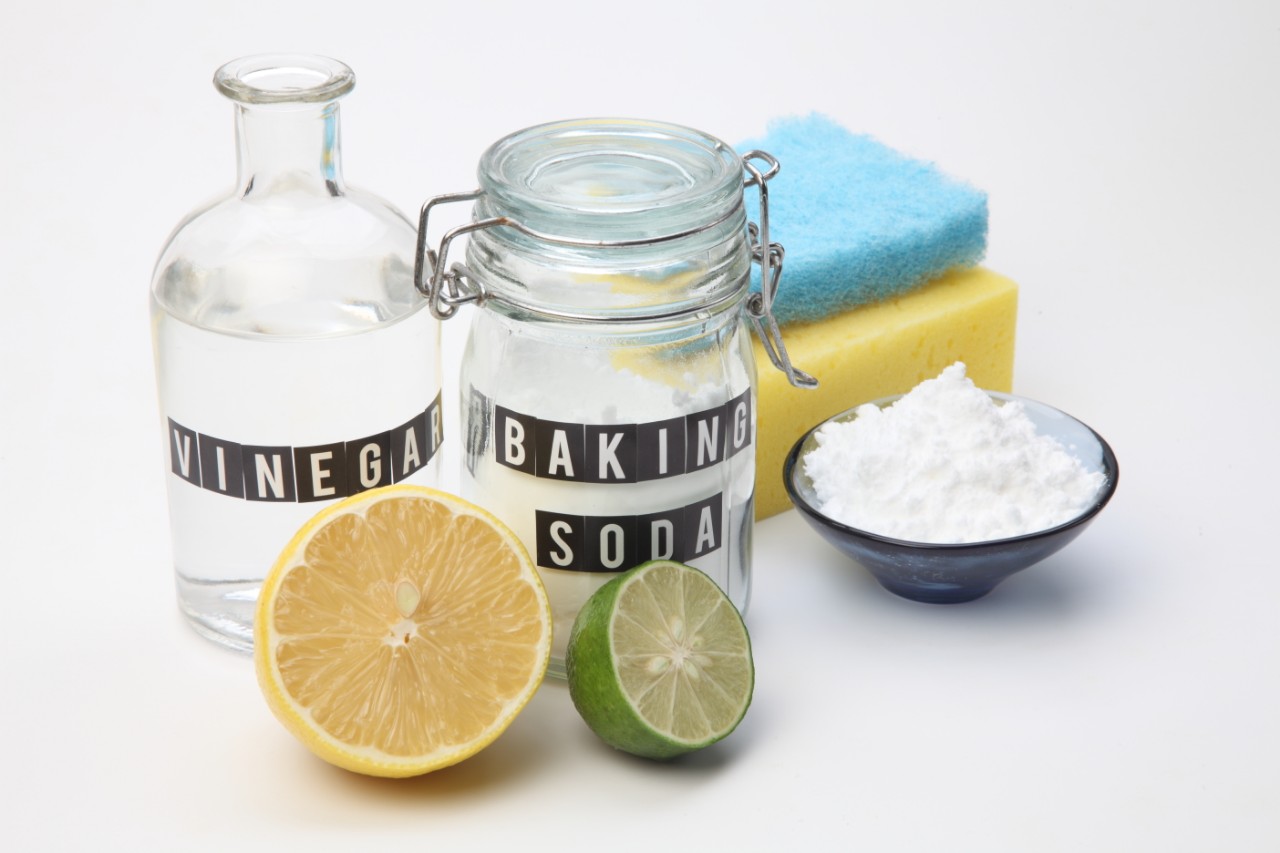
Keep Your Septic Tank Happy: Natural Cleaning Hacks
Let's face it, septic tanks aren't the most glamorous part of homeownership. But they're vital, and keeping them healthy can save you a ton of money in the long run. Regularly pumping your septic tank is a must, but there are also some natural tricks up your sleeve to help your septic system hum along smoothly.
Imagine this: you're enjoying a relaxing Saturday morning, then suddenly, your toilet starts making strange noises, and your drains are sluggish. You're probably thinking, "Oh no, my septic tank!" This is a common fear, but luckily, with a bit of knowledge and some natural cleaning methods, you can avoid these horror stories and keep your septic system running like a well-oiled machine.
Why Should You Care About Your Septic Tank?
Think of your septic tank as the unsung hero of your home's plumbing system. It silently and efficiently processes all the wastewater from your house. When you flush the toilet, wash dishes, or take a shower, that water goes into your septic tank, where bacteria break it down into solids and liquids. The solids settle at the bottom, forming sludge, and the liquid is discharged into the drain field, where it seeps back into the ground.
Here's why you need to pay attention: A healthy septic system prevents backups, foul odors, and expensive repairs. A neglected system can lead to problems like:
- Clogged drains: The sludge builds up in the tank, blocking the flow of wastewater.
- Backups: When the tank fills with sludge, wastewater backs up into your home through the drains.
- Leaks: The pressure from a full tank can cause leaks in the tank itself or the drain field.
- Expensive repairs: The longer you wait to address problems, the more costly the repairs will be.
Embrace Natural Cleaning: Keep Your Tank in Tip-Top Shape
While chemicals can be tempting to get rid of odors and keep things flowing, they can actually harm the beneficial bacteria in your septic tank. The good news is you can keep your tank happy and healthy with simple, natural methods.
1. Ditch the Harsh Chemicals
Avoid using harsh chemicals like bleach, drain cleaners, and disinfectants. These chemicals can kill the helpful bacteria in your septic tank that break down waste. Think of it like killing off the good guys that are doing the dirty work.
2. Embrace the Power of Baking Soda
Baking soda is a great natural deodorizer and a gentle way to neutralize odors in your septic tank. Simply pour a box of baking soda down the drain once a month, and it will help to neutralize any odors that may be coming from the tank.
3. Let's Talk About Yeast
Yeast is a natural source of enzymes that help break down waste in your septic tank. You can add a cup of active dry yeast to your septic tank every month. The yeast will help to speed up the decomposition of waste, preventing the buildup of sludge. But remember, not the kind you use for baking. Grab some active dry yeast from the grocery store!
4. Don't Forget About the Grease Trap
Grease and oils are a big problem for septic tanks. They don't break down easily and can lead to clogging. To minimize grease in your system, consider using a grease trap under your kitchen sink. This will catch the grease and prevent it from going into your septic tank.
5. Be Mindful of What You Flush
Your septic system is not a garbage disposal! Avoid flushing items like:
- Disposable wipes: Even those labeled "flushable" can clog your system.
- Paper towels: These don't break down easily and can accumulate.
- Coffee grounds: These can add to the sludge buildup.
- Medication: Dispose of medications properly, not down the drain.
- Hair: Hair can contribute to clogs, so use a strainer in your shower or bathtub.
6. Protect Your System from Heavy Metals
Heavy metals like mercury from old thermometers or batteries can harm the bacteria in your septic tank. Dispose of these items properly, not down the drain.
The Importance of Regular Maintenance
While natural cleaning methods can help, they're not a substitute for regular septic tank maintenance. Even with good practices, your septic tank will eventually need to be pumped.
Here are some tips to remember:
- Get your septic tank inspected every 3-5 years: A professional can assess the tank's condition and advise on the best maintenance schedule.
- Pump your tank every 3-5 years: This will prevent sludge buildup and keep the system working properly.
- Avoid overloading your system: If you have a large family or use a lot of water for laundry or gardening, you may need to pump your tank more often.
Be Proactive, Not Reactive: Your Septic Tank Will Thank You!
By following these tips, you can keep your septic tank healthy and happy, avoiding costly repairs and headaches. Remember, a little prevention goes a long way with your septic system.

No comments:
Post a Comment
Note: Only a member of this blog may post a comment.